What Does BMW Stand For: The History and Meaning Behind the Iconic Brand
The question “what does bmw stand for” is one that many car enthusiasts and everyday drivers have asked at some point. BMW is one of the most recognized and respected automotive brands in the world, known for its luxury vehicles, precision engineering, and performance-driven design. However, few people know the true meaning behind the name and the fascinating history that shaped the company what does bmw stand for powerhouse it is today. Understanding what BMW stands for not only reveals the brand’s origins but also highlights its deep connection to innovation, craftsmanship, and German engineering excellence.
What Does BMW Stand For?
The abbreviation BMW stands for Bayerische Motoren Werke, which translates to Bavarian Motor Works in English. The name reflects the company’s origins in the German state of Bavaria, where it was founded in 1916. The term “Moto red Werke” literally means “engine works” or “motor works,” signifying the company’s early focus on producing engines rather than automobiles.
BMW’s roots trace back to the early 20th century when it began as an aircraft engine manufacturer. The company’s first products were high-performance airplane engines designed for the German military what does bmw stand for. After the war, restrictions imposed by the Treaty of Versailles prohibited Germany from producing aircraft engines, forcing BMW to shift its focus to motorcycles and later to automobiles. This transition marked the beginning of BMW’s journey toward becoming one of the world’s most prestigious car brands.
The History and Evolution of BMW
The story of BMW is one of resilience, innovation, and transformation. Founded in Munich, Germany, BMW initially specialized in aircraft engines, gaining a reputation for precision engineering and reliability. The company’s first logo, introduced in 1917, featured a circular design with blue and white quadrants representing the colors of the Bavarian flag. Contrary to popular belief, the logo’s design was not originally intended to depict a spinning airplane propeller, although that interpretation became widely accepted over time due to BMW’s aviation heritage.
In the 1920s, BMW began producing motorcycles, quickly earning recognition for their performance and durability. By 1928, the company entered the automobile industry after acquiring Eisenach, a car manufacturer that produced small vehicles. This acquisition allowed BMW to launch its first car, the BMW 3/15, marking the start of its automotive legacy.
Throughout the decades, what does bmw stand for continued to innovate, introducing groundbreaking technologies and designs that redefined the driving experience. The brand became synonymous with luxury, performance, and engineering excellence. From the iconic BMW 3 Series to the powerful M models and the eco-friendly Series, BMW has consistently pushed the boundaries of automotive design and technology.
The Meaning Behind the BMW Logo
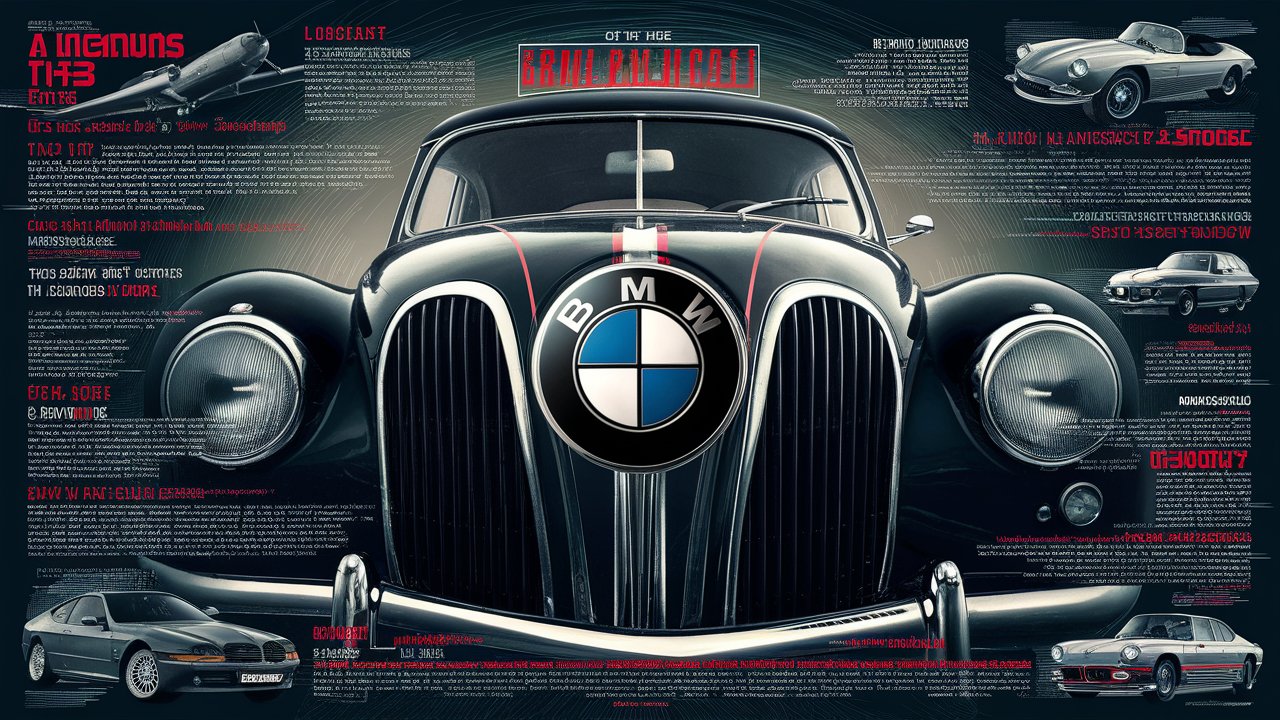
The BMW logo is one of the most recognizable symbols in the automotive world. Its circular design and blue-and-white color scheme pay homage to the company’s Bavarian roots. The outer black ring with the letters “BMW” represents strength and sophistication, while the inner quadrants symbolize the Bavarian flag. Over the years, the logo has undergone subtle design updates, but its core elements have remained unchanged, reflecting the brand’s commitment to tradition and innovation.
The popular belief that the logo represents a spinning airplane propeller stems from a 1929 advertisement that depicted the BMW emblem overlaid on an aircraft propeller. While this interpretation is not historically accurate, it has become an enduring part of BMW’s identity, linking the brand’s past in aviation to its present in automotive excellence.
BMW’s Global Impact and Legacy
Today, BMW stands as a symbol of luxury, performance, and innovation. The company has expanded its reach across the globe, producing vehicles that combine cutting-edge technology with timeless design. BMW’s commitment to sustainability and electric mobility has also positioned it as a leader in the future of transportation. Models like the BMW i4 and iX showcase the brand’s dedication to reducing environmental impact while maintaining the driving pleasure that defines its heritage.
Beyond cars, BMW has diversified into motorcycles under the BMW Motor rad division and continues to produce high-performance engines and mobility solutions. The brand’s influence extends into motorsports, where it has achieved success in Formula 1, touring car championships, and endurance racing. This competitive spirit reflects BMW’s core philosophy—creating machines that deliver both power and precision.
Why BMW Represents More Than Just a Name
The meaning of BMW goes far beyond its literal translation. It represents a legacy of craftsmanship, innovation, and passion for driving. Every what does bmw stand for vehicle embodies the brand’s philosophy of “Sheer Driving Pleasure,” a commitment to delivering an unparalleled experience behind the wheel. The company’s dedication to quality and performance has earned it a loyal following among car enthusiasts and luxury consumers alike.
BMW’s success is also rooted in its ability to adapt to changing times while staying true to its core values. From its beginnings in aviation to its dominance in the automotive industry, BMW has consistently evolved without losing sight of its identity. The name “Bayerische Motoren Werke” serves as a reminder of the brand’s origins and its ongoing pursuit of excellence.
Conclusion
The answer to “What does BMW stand for” reveals much more than just a name—it tells the story of a brand built on innovation, precision, and passion. BMW, short for Bayerische Motoren Werke, began as an aircraft engine manufacturer in Bavaria and evolved into one of the world’s most prestigious automotive brands. Its journey from the skies to the roads reflects a century of engineering excellence and a relentless drive for perfection. Today, BMW continues to set the standard for luxury, performance, and sustainability, proving that its name is not just an acronym but a symbol of enduring quality and innovation.
Frequently Asked Questions
1. What does BMW stand for?
BMW stands for Bayerische Motoren Werke, which translates to Bavarian Motor Works in English.
2. Where was BMW founded?
BMW was founded in Munich, Germany, in 1916, in the state of Bavaria.
3. What did BMW originally make?
BMW originally produced aircraft engines before transitioning to motorcycles and eventually automobiles.
4. What do the colors in the BMW logo represent?
The blue and white colors in the BMW logo represent the Bavarian flag, symbolizing the company’s origins in Bavaria, Germany.
5. Is the BMW logo based on a propeller?
While many believe the logo represents a spinning airplane propeller, it actually symbolizes the Bavarian flag colors and the company’s heritage.
6. What is BMW known for today?
BMW is known for producing luxury vehicles, motorcycles, and electric cars that combine performance, innovation, and design excellence.
7. What is BMW’s slogan?
BMW’s famous slogan is “The Ultimate Driving Machine,” reflecting its focus on performance and driving pleasure.