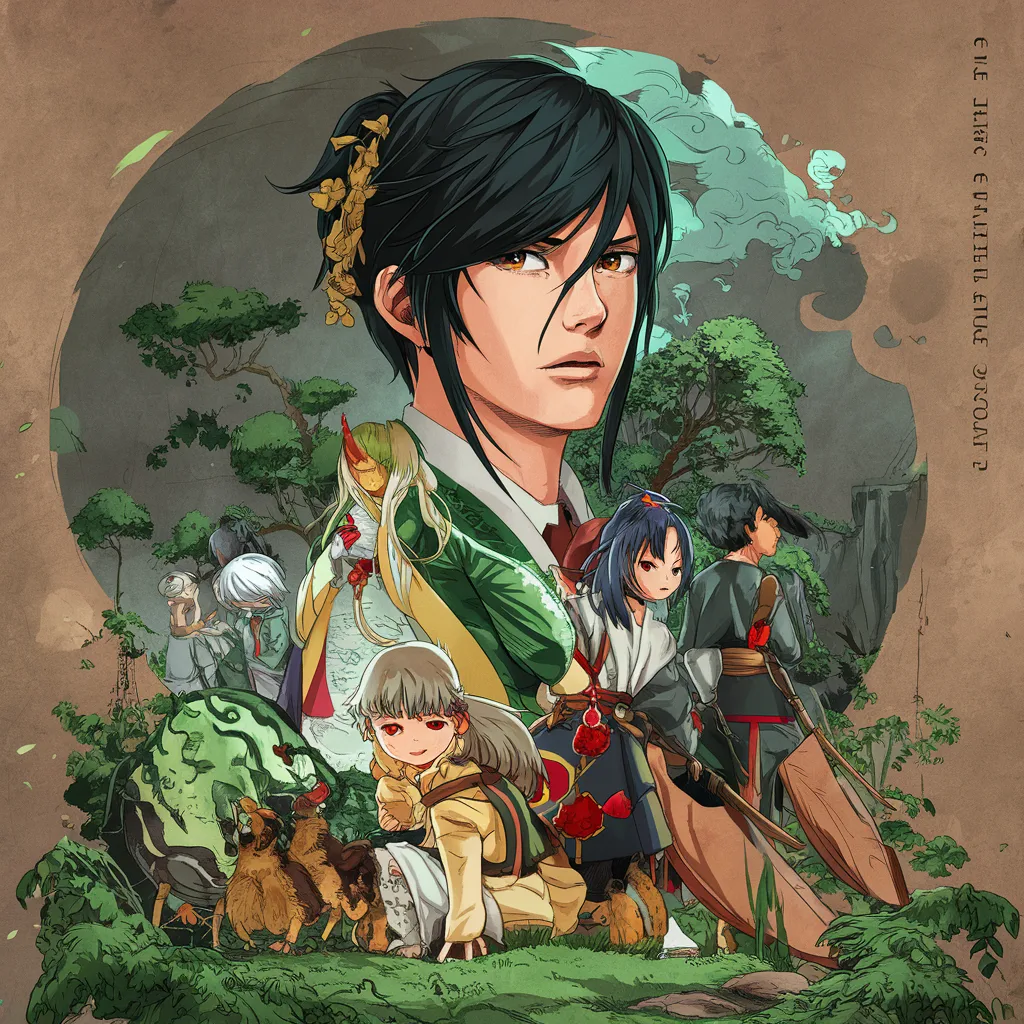
The Last Chūshingura Story Breakdown and Themes
Searches for “The Last Chūshingura” continue to grow among viewers interested in Japanese historical films and classic samurai narratives. The Last Chūshingura is a powerful reinterpretation of the famous Chūshingura legend, focusing not on battlefield action alone but on loyalty, sacrifice, and quiet endurance. Unlike many adaptations that emphasize revenge and spectacle, this story explores the emotional and moral consequences of honor in feudal Japan. This article provides a complete guide to The Last Chūshingura, including its story, themes, cultural significance, and why it remains relevant to modern audiences.
The Story of The Last Chūshingura
The Last Chūshingura retells the legendary tale of the forty-seven rōnin from a unique and deeply emotional perspective. Instead of focusing solely on the famous act of revenge, the story centers on what happens afterward, particularly the quiet years of waiting and the responsibility of protecting the future. The narrative follows loyal retainers who survive the revenge mission and must live with the weight of honor, secrecy, and sacrifice in a society governed by rigid moral codes.
The story emphasizes patience over violence and devotion over glory. Characters are shaped by their commitment to duty, even when recognition is impossible. This approach transforms the legend into a reflective drama that explores what it truly means to live honorably when no one is watching.
Themes and Meaning Behind The Last Chūshingura
One of the strongest elements of The Last Chūshingura is its exploration of loyalty and restraint. Rather than portraying honor as loud or heroic, the story presents it as a lifelong burden that demands discipline and emotional control. The characters are bound by promises that extend beyond their own lives, showing how honor in samurai culture often required personal suffering.
Another key theme is time and endurance. The film highlights the years spent waiting, hiding, and protecting a secret legacy. This slow passage of time reinforces the idea that true loyalty is proven not in moments of action but in decades of quiet perseverance.
Cultural and Historical Significance
The Chūshingura story holds a special place in Japanese culture, symbolizing the ideals of bushidō, loyalty, and moral responsibility. The Last Chūshingura stands out because it challenges traditional portrayals by focusing on the emotional aftermath rather than the famous act itself. This makes the story more accessible to modern audiences who may not be familiar with feudal Japanese customs.
By humanizing historical ideals, the film bridges the gap between tradition and contemporary values. It encourages viewers to reflect on how concepts like honor and duty apply in today’s world, making it more than just a historical drama.
Why The Last Chūshingura Still Resonates Today
The continued interest in The Last Chūshingura comes from its universal themes. Loyalty, responsibility, and sacrifice are ideas that transcend time and culture. Modern viewers often connect with the characters’ internal struggles, especially the tension between personal happiness and moral obligation.
As Japanese films gain wider international recognition through streaming platforms, The Last Chūshingura is being rediscovered by new audiences who appreciate thoughtful, character-driven storytelling rather than fast-paced action alone.
The Last Chūshingura as a Film Adaptation
As a cinematic adaptation, The Last Chūshingura is praised for its restrained direction, strong performances, and attention to historical detail. The pacing allows emotions to unfold naturally, while the visual style reflects the quiet seriousness of the story. Rather than relying on spectacle, the film trusts its characters and themes to carry the narrative, which is one reason it leaves a lasting impression.
Conclusion
The Last Chūshingura is a powerful reinterpretation of one of Japan’s most famous legends, offering a thoughtful and emotionally rich exploration of honor, loyalty, and endurance. By focusing on the aftermath rather than the act of revenge itself, the story provides a deeper understanding of samurai values and their human cost. Whether you are interested in Japanese history, classic cinema, or meaningful storytelling, The Last Chūshingura remains a compelling and timeless work.
Frequently Asked Questions (FAQ)
What is The Last Chūshingura about?
It is a reinterpretation of the Chūshingura legend, focusing on loyalty, sacrifice, and life after the famous revenge.
Is The Last Chūshingura based on a true story?
Yes, it is inspired by the historical events of the forty-seven rōnin, though told with fictionalized elements.
How is The Last Chūshingura different from other Chūshingura adaptations?
It emphasizes emotional consequences and quiet endurance rather than action and revenge.
Is The Last Chūshingura suitable for modern audiences?
Yes, its themes are universal and resonate strongly with contemporary viewers.
Why is The Last Chūshingura still popular?
It remains popular due to its deep themes, cultural significance, and unique storytelling approach.