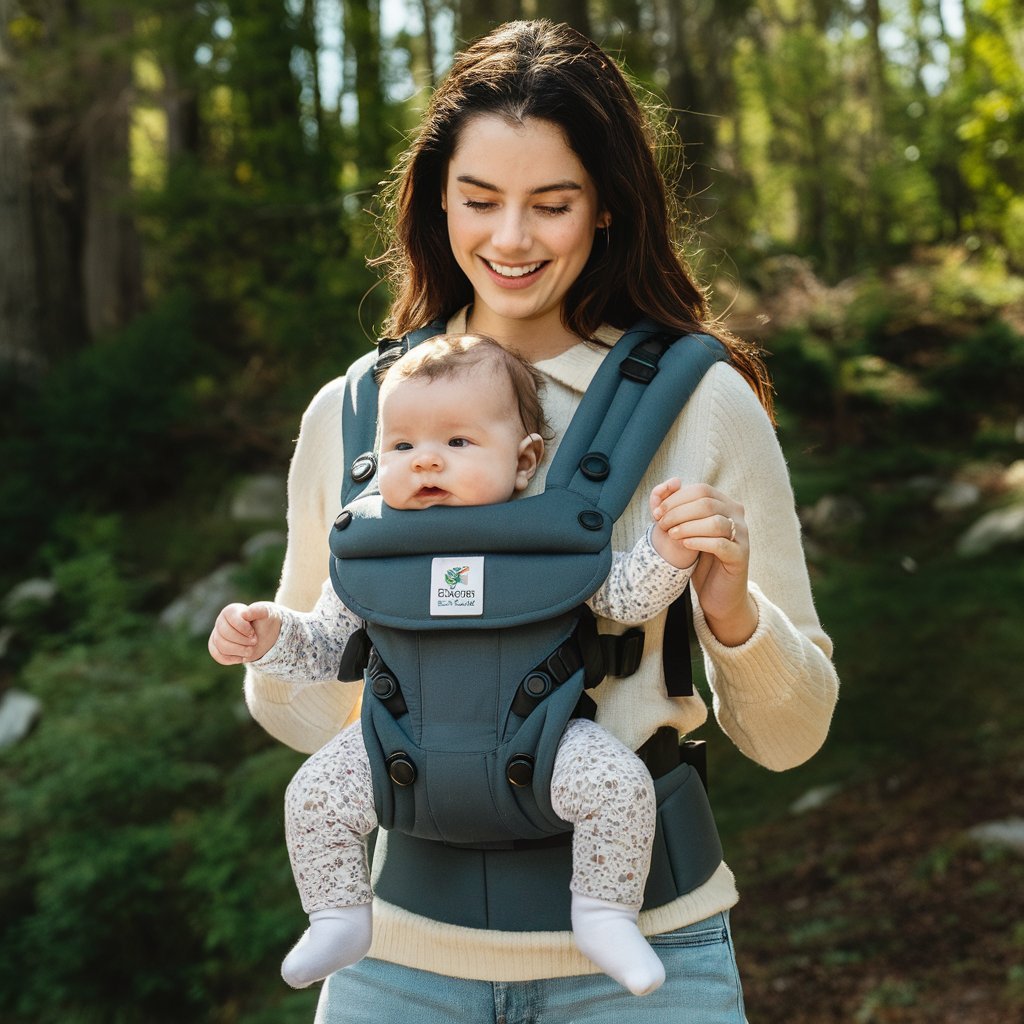
Infant in Ergo Carrier: Safe, Comfortable, and Supportive Babywearing for New Parents
Carrying an infant in an Ergo carrier has become one of the most popular and practical ways for parents to bond with their babies while keeping their hands free. The Ergo carrier, known for its ergonomic design and comfort, allows parents to hold their infants close while maintaining proper posture and support for both the baby and the wearer. Whether running errands, going for a walk, or simply soothing a fussy newborn, using an Ergo carrier provides convenience, closeness, and security. However, understanding how to properly position an Infant in Ergo Carrier is essential for safety and comfort. This article explores the best practices for carrying an infant in an Ergo carrier, the benefits of babywearing, and important safety tips every parent should know.
Why Choose an Ergo Carrier for Infants
The Ergo carrier is designed with both parent and baby in mind, offering ergonomic support that promotes healthy hip and spine development. For infants, proper positioning is crucial to prevent discomfort or strain. The Ergo carrier supports the baby’s natural “M” position, where the knees are higher than the hips, ensuring optimal hip alignment. This design is recognized by pediatricians and the International Hip Dysplasia Institute as safe for developing joints. Additionally, the carrier distributes the baby’s weight evenly across the parent’s shoulders and hips, reducing back and neck strain. The soft, breathable materials and adjustable straps make it suitable for long periods of wear, allowing parents to move freely while keeping their infant close and secure.
How to Properly Position an Infant in an Ergo Carrier
Positioning an infant correctly in an Ergo carrier is essential for safety and comfort. For newborns and smaller infants, the use of an infant insert or a carrier model specifically designed for newborns is recommended. Begin by ensuring the carrier is securely fastened around the waist, with the waistband sitting snugly on the hips. Place the infant against the chest, ensuring that the baby’s head is close enough to kiss. The baby’s back should be supported in a natural curve, and the legs should form an “M” shape with knees bent and spread apart. The carrier’s panel should support the baby’s neck and head without covering the face, allowing for clear airflow. Adjust the shoulder straps to ensure the baby is held high and tight against the body, providing both comfort and stability.
Safety Tips for Carrying an Infant in an Ergo Carrier
Safety is the top priority when using any baby carrier. Always follow the manufacturer’s guidelines for weight and age limits. For infants under four months or those who cannot yet hold their heads up, additional neck and head support is necessary. The baby’s face should always remain visible and unobstructed to prevent suffocation risks. Avoid covering the baby’s head with fabric or clothing, and ensure that the chin is not pressed against the chest, as this can restrict breathing. Parents should also check the carrier’s buckles, straps, and stitching regularly for signs of wear or damage. When bending down, always support the baby with one hand and bend at the knees rather than the waist to maintain balance and safety.
Benefits of Carrying an Infant in an Ergo Carrier
Using an Ergo carrier offers numerous benefits for both parent and child. For infants, being held close provides a sense of security and comfort, helping to regulate body temperature, heart rate, and breathing. The gentle motion of walking or moving while in the carrier can soothe fussy babies and promote better sleep. For parents, babywearing fosters bonding and allows for greater mobility, making it easier to manage daily tasks while keeping the baby content. Studies have shown that babies who are carried frequently cry less and develop stronger emotional connections with their caregivers. The Ergo carrier’s ergonomic design also supports healthy physical development, ensuring that both parent and baby remain comfortable during extended use.
Common Mistakes to Avoid When Using an Ergo Carrier
While the Ergo carrier is designed for ease of use, some common mistakes can compromise safety or comfort. One frequent error is positioning the baby too low on the body, which can strain the parent’s back and reduce the baby’s visibility. The baby should always be high enough that the parent can easily kiss the top of their head. Another mistake is allowing the baby’s legs to dangle straight down instead of maintaining the “M” position, which can affect hip development. Over-tightening or under-tightening the straps can also cause discomfort. Parents should take time to adjust the carrier properly before each use and ensure that both they and the baby feel secure and supported.
When to Transition from Infant to Toddler Carrying
As babies grow, their needs and comfort levels change. Most Ergo carriers are designed to accommodate infants from birth up to toddlerhood, but the carrying position may need to be adjusted as the child develops. Once the baby can sit independently and has strong neck control, parents can transition from the front inward-facing position to the hip or back carry positions. These options provide more freedom for the baby to explore their surroundings while maintaining close contact. Always refer to the carrier’s weight and age guidelines to determine when it’s appropriate to switch positions.
Conclusion
Carrying an Infant in Ergo Carrier is one of the most rewarding and practical ways to nurture closeness while maintaining mobility. The ergonomic design ensures that both parent and baby remain comfortable and supported, promoting healthy development and emotional bonding. By following proper positioning techniques and safety guidelines, parents can enjoy the many benefits of babywearing with confidence. The Ergo carrier not only simplifies daily life but also strengthens the connection between parent and child, making it an invaluable tool for modern families.
FAQs
1. Can I use an Ergo carrier for a newborn?
Yes, most Ergo carriers can be used for newborns with the help of an infant insert or a model specifically designed for smaller babies. Always follow the manufacturer’s weight and age recommendations.
2. How long can I carry my baby in an Ergo carrier?
You can carry your baby as long as both you and the baby are comfortable. Many parents use the Ergo carrier for several hours a day, taking breaks as needed.
3. Is the Ergo carrier safe for a baby’s hips?
Yes, the Ergo carrier supports the baby’s legs in the recommended “M” position, which promotes healthy hip development and is approved by the International Hip Dysplasia Institute.
4. Can I breastfeed while using an Ergo carrier?
Yes, many parents find it convenient to breastfeed discreetly while using the Ergo carrier. Adjust the straps slightly to lower the baby to a comfortable feeding position.
5. When should I switch from the front carry to the back carry position?
Once your baby has strong neck control and can sit independently, usually around six months, you can transition to the back carry position for added comfort and variety.