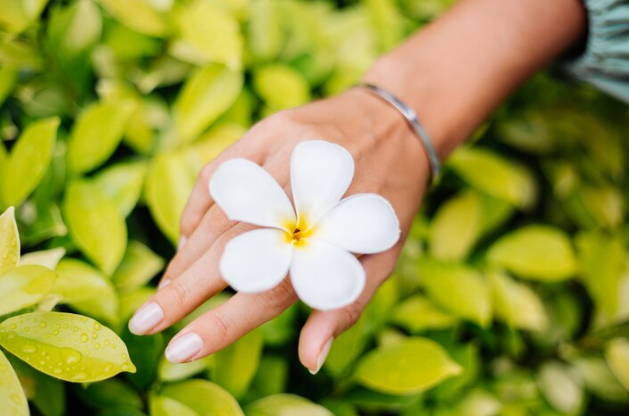
Plumeria: The Complete Guide to Growing, Caring, and Enjoying the Fragrant Flower of Paradise
Plumeria, also known as frangipani, is one of the most beloved tropical flowering plants in the world. With its intoxicating fragrance, vibrant colors, and symbolic meaning, plumeria has captured the hearts of gardeners, travelers, and flower enthusiasts alike. Native to tropical and subtropical regions, this plant is often associated with beauty, spirituality, and relaxation. Its flowers are used in leis perfumes and religious ceremonies making it both culturally significant and visually stunning. Whether grown in a backyard garden or as a potted plant indoors, plumeria thrives with the right care and attention. This article explores everything about plumeria its history, symbolism, varieties, growing conditions, and care tips while also explaining why it remains one of the most cherished flowers across the globe.
The Origin and History of Plumeria
Plumeria belongs to the Apocynaceae family and is native to tropical regions of Central America, the Caribbean, and South America. The plant was named after Charles Plumier, a 17th-century French botanist who documented many tropical species. Over time, plumeria spread across the world through trade and exploration, eventually becoming a symbol of tropical beauty in places like Hawaii, Thailand, and the Philippines.
In Hawaii, plumeria is often used to make leis, representing hospitality, friendship, and affection. In India and Southeast Asia, the flower holds spiritual significance, often used in temples and religious offerings. Despite its delicate appearance, plumeria is a hardy plant that can thrive in warm climates with minimal care. Its ability to bloom profusely even in challenging conditions has made it a symbol of resilience and renewal.
The Symbolism and Meaning of Plumeria
Plumeria carries deep symbolic meaning across cultures. In many traditions, it represents love, immortality, and new beginnings. The flower’s ability to bloom repeatedly throughout the year makes it a symbol of eternal life and spiritual growth. In Hawaiian culture, wearing a plumeria flower behind the ear has specific meanings behind the right ear signifies being single, while behind the left ear indicates being in a relationship.
In Buddhism and Hinduism, plumeria is associated with devotion and purity. Its fragrant blossoms are often used in rituals and offerings to deities. The flower’s five petals are sometimes said to represent faith, devotion, sincerity, grace, and aspiration. Beyond its spiritual symbolism, plumeria also embodies the essence of tropical paradise, evoking feelings of peace, relaxation, and joy.
Varieties and Colors of Plumeria
Plumeria comes in a wide range of colors and varieties, each with its own charm and fragrance. The most common species include Plumeria rubra, Plumeria alba, and Plumeria obtusa.
- Plumeria rubra: Known for its vibrant red, pink, and yellow flowers, this species is one of the most popular among gardeners. It produces a strong, sweet fragrance and thrives in warm, sunny environments.
- Plumeria alba: This variety features pure white petals with a yellow center and is often associated with purity and simplicity. It is commonly found in tropical regions and used in religious ceremonies.
- Plumeria obtusa: Also known as the Singapore plumeria, this species has glossy leaves and white flowers with rounded petals. It blooms year-round in tropical climates and is often used in landscaping.
Hybrid varieties have also been developed, offering unique color combinations such as orange, purple, and multi-toned petals. Each variety has its own distinct scent, ranging from sweet and floral to spicy and citrusy, making plumeria a favorite among perfumers and gardeners alike.
How to Grow Plumeria Successfully
Growing plumeria is relatively easy, provided it receives the right conditions. The plant thrives in warm, sunny environments and well-draining soil. It can be grown both in the ground and in containers, making it suitable for gardens, patios, and balconies.
1. Sunlight: Plumeria requires at least six hours of direct sunlight daily to produce abundant blooms. Insufficient light can lead to weak growth and fewer flowers.
2. Soil: The plant prefers sandy or loamy soil with excellent drainage. A mix of cactus soil and perlite works well for potted plumeria.
3. Watering: Plumeria should be watered deeply but infrequently. Allow the soil to dry out between waterings to prevent root rot. During the dormant season, reduce watering significantly.
4. Fertilization: Use a balanced fertilizer high in phosphorus to encourage flowering. Fertilize every two to three weeks during the growing season for best results.
5. Pruning: Prune plumeria in late winter or early spring to shape the plant and remove dead branches. Pruning also encourages new growth and more blooms.
6. Propagation: Plumeria can be easily propagated from cuttings. Allow the cut end to dry for a few days before planting it in well-draining soil. With proper care, new roots will develop within weeks.
Common Problems and Solutions
While plumeria is generally low-maintenance, it can occasionally face issues such as pests, diseases, or environmental stress. Common pests include aphids, spider mites, and whiteflies, which can be controlled with neem oil or insecticidal soap. Fungal infections like rust may appear on leaves, especially in humid conditions. Removing affected leaves and improving air circulation can help prevent further spread.
Overwatering is one of the most common mistakes when growing plumeria. The plant’s roots are sensitive to excess moisture, which can lead to rot. Ensuring proper drainage and allowing the soil to dry between waterings are key to maintaining a healthy plant. With consistent care and attention, can thrive for decades, rewarding gardeners with its stunning blooms and heavenly fragrance.
Uses of Plumeria in Culture and Daily Life
Beyond its ornamental beauty, has practical and cultural uses. Its flowers are widely used in making leis, garlands, and perfumes. The essential oil extracted from is prized in aromatherapy for its calming and uplifting properties. In traditional medicine, parts of the plant have been used to treat skin conditions, inflammation, and fever, though such uses should be approached with caution due to the plant’s latex content.
Culturally, continues to play a role in art, fashion, and design. Its image appears in jewelry, tattoos, and home décor, symbolizing beauty, peace, and tropical elegance. The flower’s universal appeal lies in its ability to evoke a sense of serenity and connection to nature.
Conclusion
Plumeria is more than just a flower it is a symbol of beauty, resilience, and spiritual harmony. Its captivating fragrance, vibrant colors, and cultural significance make it one of the most cherished plants in the world. Whether adorning a tropical garden, used in a ceremonial lei, or simply enjoyed for its scent, plumeria brings a touch of paradise wherever it grows. With proper care, patience, and appreciation, anyone can cultivate this remarkable plant and experience the joy it brings. In every bloom, plumeria reminds us of the delicate balance between nature’s grace and human devotion.
FAQs
1. What is plumeria?
Plumeria, also known as frangipani, is a tropical flowering plant known for its fragrant, colorful blooms. It is native to Central and South America but widely cultivated in tropical and subtropical regions.
2. How do you care for a plumeria plant?
Plumeria thrives in full sunlight, well-draining soil, and moderate watering. It should be fertilized regularly during the growing season and pruned to encourage new growth.
3. Can plumeria grow indoors?
Yes, plumeria can be grown indoors in containers, provided it receives plenty of sunlight. It should be placed near a bright window or under grow lights.
4. What does plumeria symbolize?
Plumeria symbolizes love, renewal, and immortality. In many cultures, it represents beauty, devotion, and spiritual growth.
5. Why is plumeria popular in Hawaii?
In Hawaii, plumeria is used to make leis and is associated with hospitality, friendship, and affection. It has become an iconic symbol of the islands’ tropical charm.