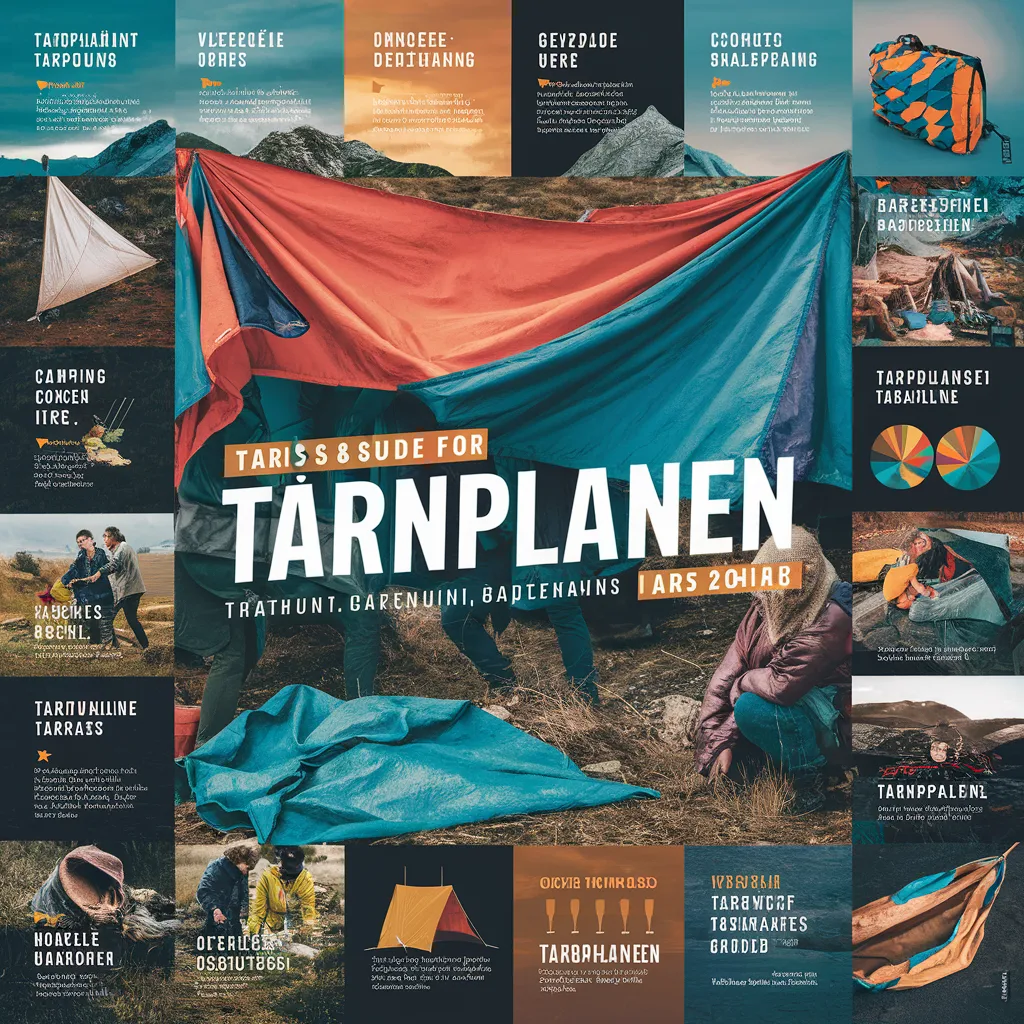
Tarnplanen: The Complete Guide to Understanding and Using Tarpaulins for Protection and Versatility
In both professional and personal settings, having reliable protective coverings is essential for safeguarding equipment, materials, and outdoor spaces from the elements. Tarnplanen, the German word for tarpaulins or tarps, represents a category of versatile, durable covers that have become indispensable across industries and households worldwide. From construction sites to camping trips, from agricultural applications to emergency shelter solutions, tarnplanen serve countless purposes that make daily tasks easier and more efficient. This comprehensive guide explores what tarnplanen are, their various types, materials, applications, benefits, and how to choose the right tarpaulin for your specific needs. Whether you’re a contractor looking for heavy-duty protection, a gardener seeking weather-resistant covers, or an outdoor enthusiast planning your next adventure, understanding tarnplanen will help you make informed decisions.
What Are Tarnplanen?
Tarnplanen are large sheets of strong, flexible, water-resistant or waterproof material used for covering and protecting objects, materials, or areas from weather conditions, dust, debris, and other environmental factors. The term “tarnplanen” comes from the German language, where “plane” means tarpaulin or sheet, and is commonly used in German-speaking countries and regions. These protective covers are typically made from various materials including polyethylene, canvas, vinyl, or PVC-coated fabrics, each offering different levels of durability, weather resistance, and flexibility. Tarnplanen come in numerous sizes, ranging from small covers suitable for protecting garden furniture to massive industrial-grade sheets capable of covering entire buildings or cargo loads. They are characterized by reinforced edges, grommets or eyelets for secure fastening, and varying thickness levels measured in grams per square meter or mils, which determine their strength and longevity.
Types and Materials of Tarnplanen
The world of tarnplanen encompasses a wide variety of types, each designed for specific applications and environmental conditions. Polyethylene tarpaulins are among the most common and affordable options, featuring a woven polyethylene fabric laminated on both sides with low-density polyethylene coating. These tarps are lightweight, waterproof, and resistant to mildew and rot, making them ideal for general-purpose use in construction, gardening, and temporary outdoor coverage. Canvas tarpaulins represent the traditional choice, made from cotton or cotton-blend fabrics that are breathable yet water-resistant when treated. Canvas tarps are preferred for applications where breathability is important, such as covering machinery that needs air circulation or protecting materials that could develop condensation under non-breathable covers. PVC and vinyl tarpaulins offer superior strength and durability, with heavy-duty construction that withstands harsh weather conditions, UV radiation, and physical wear. These industrial-grade tarnplanen are commonly used in trucking, construction, and marine applications where maximum protection is essential. Mesh tarpaulins feature a woven design that allows air and some light to pass through while still providing shade and debris protection, making them popular for construction scaffolding, sports facilities, and agricultural shade structures.
Applications and Uses of Tarnplanen
The versatility of tarnplanen makes them invaluable across countless industries and personal applications. In construction and building, tarnplanen protect materials from rain and moisture, cover scaffolding to contain debris, create temporary weather barriers during renovation work, and shield equipment from dust and damage. Construction professionals rely on heavy-duty tarnplanen to maintain site safety, protect investments in materials, and ensure work can continue regardless of weather conditions. In agriculture and farming, tarnplanen serve multiple purposes including covering hay bales, protecting crops from frost or excessive sun, creating temporary storage areas for harvested produce, and covering agricultural machinery during off-seasons. Farmers appreciate how quality tarnplanen extend the life of expensive equipment and protect valuable crops from unpredictable weather. For transportation and logistics, tarnplanen are essential for securing and protecting cargo on trucks, trailers, and shipping containers, ensuring goods arrive at their destination undamaged by weather or road debris. In outdoor recreation and camping, lightweight tarnplanen function as ground sheets, emergency shelters, rain protection for camping areas, and covers for boats, RVs, and outdoor equipment during storage.
Benefits of Using Quality Tarnplanen
Investing in quality tarnplanen offers numerous benefits that extend far beyond simple weather protection. The primary advantage is comprehensive protection against environmental elements including rain, snow, wind, UV radiation, dust, and debris, which helps preserve the condition and extend the lifespan of covered items. Quality tarnplanen prevent rust and corrosion on metal equipment, protect wood from moisture damage and rot, shield fabrics from sun fading, and keep stored materials clean and dry. The cost-effectiveness of tarnplanen becomes evident when considering the expense of replacing damaged equipment or materials versus the relatively small investment in proper protective covering. A durable tarpaulin can last for years with proper care, providing ongoing protection that saves money in the long run. The versatility and reusability of tarnplanen make them exceptionally practical, as a single tarp can serve multiple purposes across different seasons and projects.
Choosing the Right Tarnplanen for Your Needs
Selecting the appropriate tarnplanen requires careful consideration of several factors to ensure optimal performance and value. Material thickness and weight directly correlate with durability and intended use, with lightweight tarps (around 90-120 grams per square meter) suitable for temporary or light-duty applications, medium-weight options (150-200 grams per square meter) appropriate for regular outdoor use, and heavy-duty tarpaulins (250+ grams per square meter) necessary for industrial applications or long-term outdoor exposure. Weather resistance requirements should match your climate and exposure conditions, with UV-resistant tarpaulens essential in sunny climates, reinforced waterproofing critical in rainy regions, and tear-resistant materials important in windy areas. Consider the fastening system and reinforcement, looking for tarpaulins with rust-proof grommets spaced appropriately for your securing method, reinforced corners and edges that prevent tearing, and heat-sealed or double-stitched seams that enhance durability.
Proper Installation and Maintenance of Tarnplanen
Maximizing the lifespan and effectiveness of tarnplanen requires proper installation techniques and regular maintenance practices. When installing a tarpaulin, ensure the surface beneath is as smooth as possible to prevent punctures from sharp objects or rough surfaces. Position the tarp so that water will naturally run off rather than pooling, as standing water adds weight that can stress the material and create sagging pockets. Secure all edges and corners firmly using appropriate fasteners, but avoid over-tightening which can create stress points that lead to tearing. In windy conditions, additional tie-down points along the edges and center of large tarpaulins help prevent flapping that causes wear and potential damage. For maintenance, regularly inspect tarnplanen for signs of wear, small tears, or weakened areas, addressing minor damage promptly with repair patches or tape designed for tarpaulin materials. Clean tarpaulins periodically by hosing them down with water and using mild soap for stubborn dirt, avoiding harsh chemicals that can degrade the material. When storing tarnplanen, ensure they are completely dry to prevent mildew growth, fold them neatly rather than crumpling to avoid permanent creases, and store in a cool, dry location away from direct sunlight and extreme temperatures.
Environmental Considerations and Sustainability
As awareness of environmental impact grows, the sustainability of has become an important consideration for conscientious consumers and businesses.However, the durability and reusability of quality contribute positively to sustainability by reducing the need for frequent replacements and preventing damage to valuable resources that would otherwise require replacement. Some manufacturers now offer eco-friendly tarpaulin options made from recycled materials or biodegradable fabrics that maintain protective qualities while reducing environmental impact. To maximize the environmental benefits of, focus on purchasing high-quality products that will last for years, properly maintaining them to extend their useful life, repurposing old tarpaulins for different applications when they’re no longer suitable for their original purpose, and researching recycling options in your area for tarpaulin materials when they finally reach the end of their usable life.
Innovations and Future of Tarnplanen Technology
The tarpaulin industry continues to evolve with technological innovations that enhance performance, sustainability, and functionality. Recent developments include smart tarpaulins embedded with sensors that monitor conditions beneath the cover, alerting users to moisture accumulation, temperature changes, or structural stress that could indicate problems. Advanced coating technologies have produced tarpaulins with superior UV resistance, self-cleaning properties that repel dirt and organic growth, and enhanced flexibility that maintains performance in extreme cold without becoming brittle. Lightweight high-strength materials developed through polymer science offer the durability of heavy-duty tarps at a fraction of the weight, making them easier to handle and install while reducing transportation costs and environmental impact. The integration of antimicrobial treatments prevents mold and mildew growth on tarpaulins used in humid environments or for long-term coverage applications.
Conclusion
Tarnplanen represent an essential tool for protection, preservation, and practical problem-solving across countless applications. From the construction site to the family garden, from industrial warehouses to weekend camping trips, these versatile covers provide reliable defense against weather, debris, and environmental damage. Understanding the different types of tarnplanen, their materials, appropriate applications, and proper use ensures that you can select and utilize the right protective covering for your specific needs. Quality tarpaulins offer exceptional value through their durability, reusability, and ability to protect valuable equipment, materials, and spaces from costly damage. As technology advances and environmental consciousness grows, the tarpaulin industry continues to innovate, offering increasingly effective and sustainable solutions. Whether you’re a professional requiring heavy-duty industrial protection or a homeowner seeking reliable outdoor covers, investing in appropriate tarnplanen and maintaining them properly will provide years of dependable service and peace of mind.
FAQs
1. What is the difference between light-duty and heavy-duty tarnplanen?
Light-duty tarpaulins typically weigh 90-120 grams per square meter and are suitable for temporary or occasional use, while heavy-duty tarps weigh 250+ grams per square meter with reinforced construction for long-term outdoor exposure and industrial applications.
2. How long do tarnplanen typically last?
The lifespan of tarpaulins varies based on material quality, usage conditions, and maintenance, ranging from 1-2 years for lightweight tarps in harsh conditions to 5-10+ years for heavy-duty, UV-resistant tarpaulins with proper care.
3. Can tarnplanen be repaired if they get damaged?
Yes, small tears and holes in tarpaulins can be repaired using specialized tarp repair tape, patches, or adhesives designed for the specific material, extending the useful life of the cover.
4. Are tarnplanen waterproof or just water-resistant?
This depends on the material and construction—polyethylene and PVC tarpaulins are typically fully waterproof, while canvas tarps are water-resistant but may allow some moisture penetration during prolonged heavy rain.
5. What size tarpaulin should I choose for my needs?
Measure the area or items you need to cover and add at least 1-2 feet on each side for overlap and secure fastening. It’s better to have a slightly larger tarp than one that’s too small.