HD in Movies: How High Definition Changed the Way Films Are Made and Watched
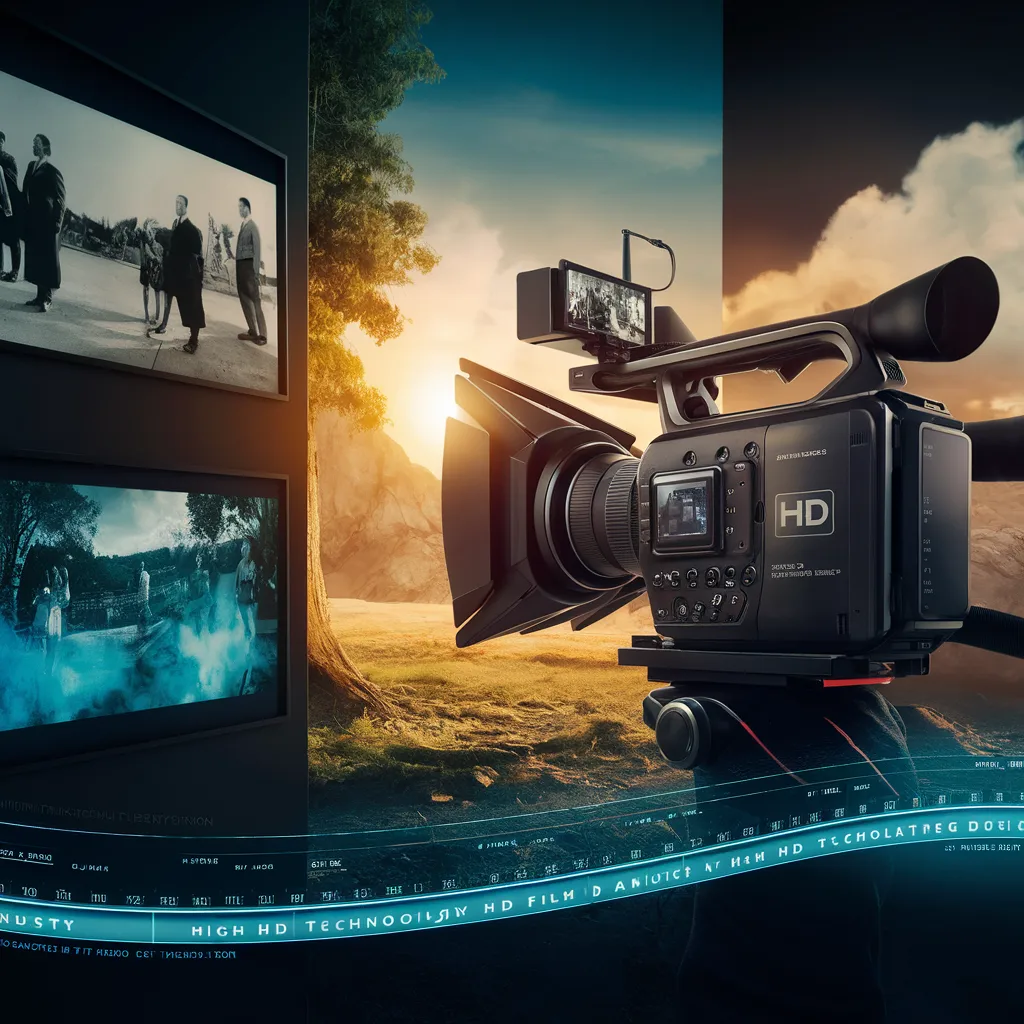
The term HD in movies has become synonymous with clarity, realism, and visual excellence. Over the past two decades, high-definition technology has revolutionized the film industry, transforming how movies are produced, distributed, and experienced. From the earliest digital cameras to today’s ultra-high-definition (UHD) and 4K formats, HD has redefined cinematic storytelling by enhancing image quality, color accuracy, and overall immersion. This article explores the evolution of HD in movies, its impact on filmmaking and audiences, and why it remains one of the most significant technological advancements in modern cinema.
Understanding What HD Means in Movies
HD, or High Definition, refers to a video resolution that offers significantly greater detail and clarity than standard definition (SD). In the context of movies, HD typically means a resolution of 1280×720 pixels (720p) or 1920×1080 pixels (1080p). These formats provide sharper images, richer colors, and smoother motion, allowing filmmakers to capture scenes with unprecedented precision.
Before HD became the industry standard, movies were primarily shot on film or in lower-resolution digital formats. The introduction of HD cameras in the early 2000s marked a turning point, enabling directors and cinematographers to experiment with new visual styles. The result was a more immersive viewing experience that brought audiences closer to the story.
The Evolution of HD in Filmmaking
The journey of HD in movies began with the transition from analog to digital technology. Early digital cameras struggled to match the dynamic range and texture of traditional film, but rapid advancements soon closed the gap. By the mid-2000s, HD had become the preferred format for both independent filmmakers and major studios.
Movies like Star Wars: Episode II – Attack of the Clones (2002) were among the first to be shot entirely in HD, showcasing the potential of digital cinematography. As technology improved, filmmakers gained access to more versatile tools, allowing them to shoot in challenging environments and experiment with lighting and composition in ways that were previously impossible.
The rise of HD also coincided with the growth of digital post-production. Editors and visual effects artists could now work with higher-quality footage, resulting in more detailed and visually stunning films. This shift not only improved the technical quality of movies but also expanded creative possibilities for storytelling.
The Impact of HD on Movie Production
HD technology has fundamentally changed how movies are made. The ability to capture high-resolution footage has streamlined production workflows, reduced costs, and increased efficiency. Digital cameras are lighter, more flexible, and easier to use than traditional film cameras, allowing filmmakers to shoot more footage in less time.
Moreover, HD has democratized filmmaking. Independent creators and small studios can now produce professional-quality films without the massive budgets once required for film production. This accessibility has led to a surge in creativity and diversity within the industry, giving rise to new voices and perspectives.
Cinematographers also benefit from HD’s precision. The enhanced detail allows for greater control over lighting, texture, and color grading. Directors can review footage instantly on set, making adjustments in real time. This immediacy has improved collaboration between departments and elevated the overall quality of film production.
The Viewer’s Experience: How HD Changed Movie Watching
For audiences, HD has transformed the movie-watching experience. The jump from standard definition to high definition brought a level of realism that made films more engaging and visually captivating. Viewers could now see every detail—from the texture of costumes to the subtle expressions on actors’ faces.
The introduction of HD televisions and streaming platforms further amplified this transformation. Services like Netflix, Amazon Prime Video, and Disney+ deliver HD and 4K content directly to homes, allowing audiences to enjoy cinematic-quality visuals without going to the theater. This accessibility has reshaped viewing habits, making high-quality entertainment available anytime, anywhere.
In theaters, HD projection systems have replaced traditional film reels, ensuring consistent image quality across screenings. The combination of HD visuals and advanced sound systems creates an immersive environment that draws viewers deeper into the story.
HD vs. 4K and Beyond: The Next Step in Movie Technology
While HD remains the standard for most films and streaming content, the industry continues to evolve toward higher resolutions such as 4K and 8K. These formats offer even greater detail, with 4K providing four times the resolution of standard HD. The transition to ultra-high-definition (UHD) has been driven by advancements in camera technology, display screens, and internet bandwidth.
However, HD still holds a vital place in filmmaking. Many productions continue to use HD because it strikes a balance between quality and efficiency. HD files are easier to store, edit, and distribute, making them ideal for television, streaming, and independent projects. For most viewers, the difference between HD and 4K is subtle unless viewed on very large screens.
The future of HD in movies lies in integration with other technologies, such as high dynamic range (HDR), which enhances contrast and color depth, and higher frame rates, which create smoother motion. Together, these innovations promise to push visual storytelling to new heights.
The Role of HD in Streaming and Digital Distribution
The rise of streaming platforms has made HD the global standard for digital entertainment. Most online services deliver content in HD by default, ensuring that viewers enjoy crisp, detailed visuals regardless of device. This shift has also influenced how movies are produced, with filmmakers optimizing their work for digital distribution.
HD has made it possible for audiences around the world to access high-quality films instantly. Whether on a smartphone, tablet, or smart TV, viewers can experience cinema-level clarity from the comfort of their homes. This accessibility has expanded the reach of filmmakers, allowing independent and international productions to find global audiences.
The Cultural and Artistic Impact of HD in Movies
Beyond technology, HD has influenced the artistic direction of modern cinema. The clarity of high-definition imagery encourages filmmakers to pay closer attention to visual composition, costume design, and set detail. Every frame becomes a canvas where color, texture, and light play a crucial role in storytelling.
HD has also changed audience expectations. Viewers now demand high-quality visuals as a standard, pushing filmmakers to maintain excellence in every aspect of production. This emphasis on visual fidelity has elevated the overall aesthetic of contemporary cinema, blending art and technology in powerful new ways.
Conclusion
The introduction of HD in movies marked a turning point in the history of cinema. It revolutionized how films are made, distributed, and experienced, bridging the gap between artistic vision and technological innovation. From the first digital cameras to today’s streaming platforms, HD has made storytelling more immersive, accessible, and visually stunning. As the industry continues to evolve toward 4K, 8K, and beyond, HD remains a cornerstone of modern filmmaking—a symbol of progress that continues to shape the future of visual entertainment.
Frequently Asked Questions
1. What does HD mean in movies?
HD stands for High Definition, referring to video resolutions of 720p or 1080p that provide sharper, clearer images compared to standard definition.
2. When did HD become popular in filmmaking?
HD technology gained popularity in the early 2000s, with films like Star Wars: Episode II Attack of the Clones pioneering digital cinematography.
3. How is HD different from 4K?
HD offers resolutions up to 1080p, while 4K provides four times the pixel count, resulting in even greater detail and clarity.
4. Why is HD important in movies?
HD enhances visual quality, improves production efficiency, and provides audiences with a more immersive and realistic viewing experience.
5. Do all movies use HD technology today?
Yes, most modern films are shot and distributed in HD or higher resolutions, with many now adopting 4K and HDR formats.
6. How has HD affected streaming platforms?
HD has become the standard for streaming services, allowing viewers to enjoy high-quality visuals on various devices worldwide.
7. What is the future of HD in movies?
The future lies in combining HD with emerging technologies like HDR, higher frame rates, and 8K resolution to create even more lifelike cinematic experiences.