Why Is the Ocean Blue: The Science Behind the Sea’s Stunning Color
The ocean has captivated humanity for centuries with its vastness, mystery, and mesmerizing shades of blue. From the turquoise shallows of tropical beaches to the deep navy hues of the open sea, the question often arises: why is the ocean blue? The answer lies in the fascinating interplay between light, water molecules, and the way our eyes perceive color. While many assume that the ocean reflects the sky, the truth is far more complex and rooted in physics, chemistry, and environmental science. This article explores the scientific reasons behind the ocean’s blue color, the factors that influence its varying shades, and the deeper meaning this natural phenomenon holds for our planet.
1. The Science of Light and Color
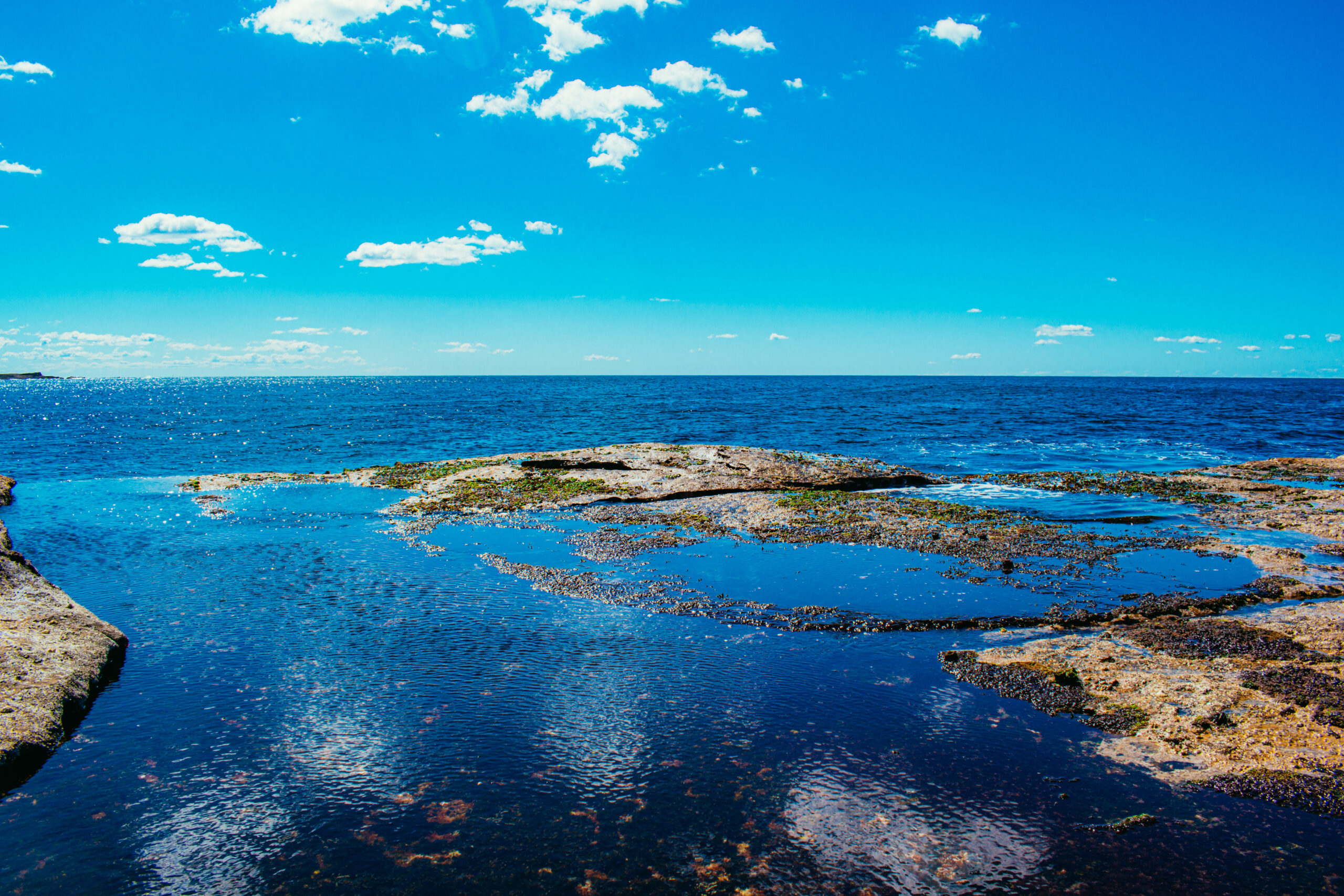
To understand why the ocean is blue, it’s essential to first grasp how light behaves. Sunlight, though appearing white, is actually composed of a spectrum of colors—red, orange, yellow, green, blue, indigo, and violet. When sunlight enters the ocean, water molecules absorb light at different wavelengths. Longer wavelengths, such as red, orange, and yellow, are absorbed quickly, while shorter wavelengths, like blue and violet, penetrate deeper into the water. Because blue light is scattered and reflected back to our eyes more efficiently than other colors, the ocean appears predominantly blue. This process, known as selective absorption and scattering, is the primary reason for the ocean’s characteristic hue.
2. Why the Ocean Doesn’t Just Reflect the Sky
A common misconception is that the ocean is blue simply because it reflects the color of the sky. While reflection does play a minor role, it is not the main reason. Even on cloudy days, when the sky is gray, the ocean often retains its blue tint. This proves that the color originates from within the water itself. The ocean’s surface can reflect the sky to some extent, especially when the water is calm, but the deeper blue tones come from the way light interacts with water molecules. Essentially, the ocean’s blueness is a result of both light absorption and scattering, not mere reflection.
3. The Role of Water Molecules in Ocean Color
Water molecules are key to understanding why the ocean is blue. When sunlight enters the water, the molecules absorb the red, orange, and yellow parts of the light spectrum more effectively than blue. The remaining blue light is scattered in all directions, giving the ocean its vivid color. This scattering effect is similar to what makes the sky appear blue, though the mechanisms differ slightly. In very pure water, this effect is even more pronounced, resulting in a deeper, more intense blue. The molecular structure of water is uniquely suited to absorb longer wavelengths, which is why large bodies of water appear blue rather than clear.
4. Why Shallow Waters Look Turquoise or Green
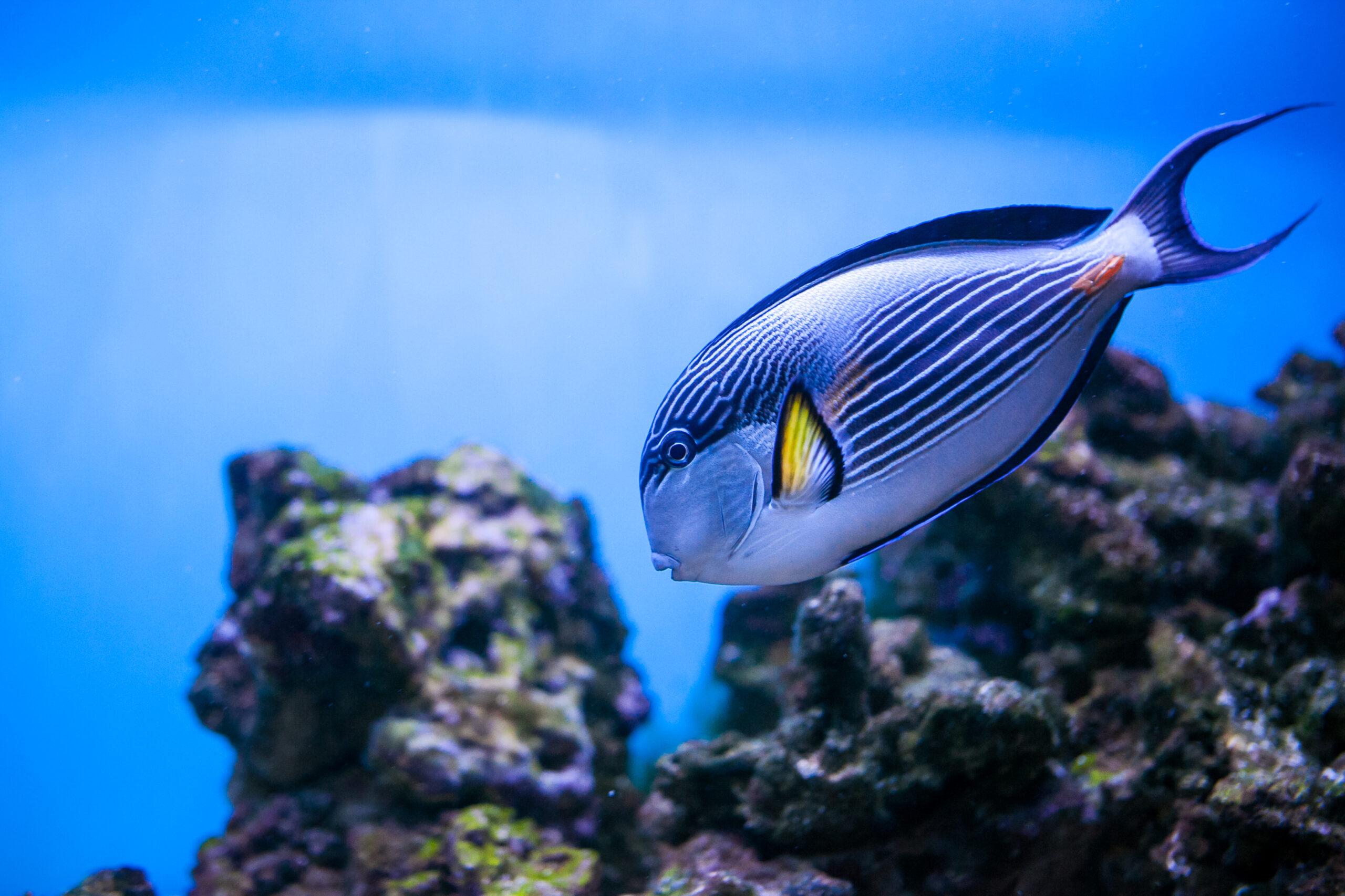
Not all parts of the ocean are the same shade of blue. In shallow coastal areas, the water often appears turquoise or green rather than deep blue. This variation occurs because of light reflection from the sea floor and the presence of particles such as sand, algae, and plankton. These substances scatter light differently, reflecting more green and yellow wavelengths. Coral reefs, for example, often create brilliant turquoise waters due to the combination of shallow depth, white sandy bottoms, and abundant marine life. Thus, the color of the ocean can change dramatically depending on depth, clarity, and biological activity.
5. The Influence of Depth and Distance
Depth plays a major role in determining why the ocean is blue and how its color changes with distance. In deeper waters, sunlight cannot penetrate as far, and the absorption of red and yellow light becomes more complete. As a result, the ocean appears darker and more intense in color. From a distance, the sea may look deep blue or even black because the light that reaches our eyes has traveled through many layers of water, losing most of its other wavelengths. This phenomenon explains why the open ocean looks darker than coastal waters and why the horizon often appears a deep, rich blue.
6. The Effect of Algae and Sediments on Ocean Color
The presence of microscopic organisms and sediments can significantly alter the ocean’s color. Phytoplankton, tiny plant-like organisms that float near the surface, contain chlorophyll, which absorbs blue and red light while reflecting green. When phytoplankton concentrations are high, the ocean can appear greenish rather than blue. Similarly, sediments carried by rivers or stirred up by waves can make the water look brown or gray. These variations are not just aesthetic—they provide valuable information about the ocean’s health, nutrient levels, and biological productivity. Scientists often use satellite imagery to study these color changes and monitor marine ecosystems.
7. Why Polar and Tropical Oceans Look Different
The color of the ocean also varies by region. Tropical oceans are often bright blue or turquoise due to their clear, warm waters and abundant sunlight. In contrast, polar oceans tend to appear darker or even grayish because of lower light levels, colder temperatures, and higher concentrations of organic matter. Ice and snow can also affect how light interacts with the water, creating unique shades of blue that are distinct to polar regions. These differences highlight how environmental conditions influence the ocean’s appearance across the globe.
8. The Role of the Atmosphere and Weather
While the ocean’s color primarily comes from light absorption and scattering, atmospheric conditions can enhance or alter its appearance. On sunny days, the ocean appears brighter and bluer because more sunlight penetrates the water. On cloudy or stormy days, the reduced light and increased reflection from the gray sky can make the ocean look duller or darker. Wind and waves also affect how light interacts with the surface, creating shimmering patterns and variations in color. Thus, the ocean’s appearance is a dynamic interplay between water, light, and atmosphere.
9. The Symbolism and Cultural Meaning of the Ocean’s Blue Color
Beyond science, the blue color of the ocean holds deep symbolic meaning in human culture. Across civilizations, blue has represented calmness, depth, and mystery—qualities often associated with the sea itself. The ocean’s color evokes feelings of peace and introspection, inspiring countless works of art, literature, and music. In many cultures, the blue sea symbolizes life, renewal, and the infinite nature of existence. Understanding why the ocean is blue not only satisfies scientific curiosity but also deepens appreciation for its beauty and significance in human imagination.
10. The Ocean’s Blue as a Reflection of Earth’s Health
The color of the ocean can also serve as an indicator of environmental health. Changes in ocean color, such as increased greenness due to algal blooms, can signal shifts in marine ecosystems caused by pollution or climate change. Scientists use satellite technology to monitor these color variations as part of global efforts to study oceanic conditions. A healthy ocean typically exhibits a natural blue hue, reflecting balanced ecosystems and clear waters. Thus, the ocean’s color is not just a visual wonder—it’s a vital clue to the planet’s well-being.
Conclusion
The question “why is the ocean blue?” reveals a fascinating intersection of science, nature, and perception. The ocean’s color results from the selective absorption and scattering of sunlight by water molecules, enhanced by depth, clarity, and environmental factors. While the sky’s reflection contributes slightly, the true source of the ocean’s blue lies within the water itself. From the turquoise shallows of coral reefs to the deep indigo of the open sea, every shade tells a story about light, life, and the planet’s delicate balance. Understanding this phenomenon not only enriches scientific knowledge but also deepens appreciation for the beauty and complexity of Earth’s oceans.
Frequently Asked Questions (FAQ)
1. Why is the ocean blue and not clear?
The ocean appears blue because water absorbs colors like red and yellow more effectively, while blue light is scattered and reflected back to our eyes.
2. Does the ocean reflect the sky’s color?
Only partially. While the sky’s reflection can influence the ocean’s appearance, the main reason for its blue color is the way light interacts with water molecules.
3. Why does the ocean look green in some places?
The ocean can appear green due to the presence of algae, plankton, or sediments that reflect green wavelengths of light.
4. Why does the ocean look darker in deep areas?
In deeper waters, sunlight cannot penetrate as far, and most colors are absorbed, leaving only dark blue or black tones visible.
5. Can the ocean change color over time?
Yes, factors such as weather, pollution, algae growth, and sediment levels can cause the ocean’s color to shift from blue to green, brown, or gray.
6. Why do tropical oceans look turquoise?
Tropical waters are shallow and clear, allowing sunlight to reflect off white sandy bottoms and coral reefs, creating bright turquoise hues.
7. What does the color of the ocean tell scientists?
The color of the ocean provides clues about its composition, clarity, and biological activity, helping scientists monitor environmental changes and marine health.