Is Alcohol a Depressant? Understanding How It Affects the Brain, Body, and Behavior
Many people wonder, “Is alcohol a depressant?”, especially because drinking sometimes appears to boost confidence, increase sociability, or create feelings of energy and excitement. While alcohol may initially feel like a stimulant due to changes in mood and inhibition, its actual classification is very clear: alcohol is a depressant. This classification is based on how it affects the central nervous system, slowing down brain function, reaction time, and communication between neural pathways. Understanding why alcohol is considered a depressant is important because it helps reveal the short-term effects, long-term consequences, and mental health implications of drinking. Whether someone drinks occasionally, socially, or regularly, learning how alcohol interacts with the body can provide valuable insight into decision-making, health awareness, emotional well-being, and overall safety.
Is Alcohol a Depressant? The Science Behind the Classification
Alcohol is classified as a depressant because it reduces central nervous system activity, leading to slower brain function and impaired neurological communication. Depressants work by enhancing the effects of gamma-aminobutyric acid (GABA), an inhibitory neurotransmitter that reduces brain activity and slows responses. When alcohol enters the body, it increases GABA activity while decreasing glutamate activity, which normally stimulates brain function. As a result, drinking leads to slowed thinking, reduced coordination, impaired judgment, and a general calming or sedating effect. Even though alcohol may initially create feelings of excitement or energy, those sensations are temporary and occur before its depressant qualities fully take effect. Over time, alcohol’s slowing effects become dominant, which can influence mood, behavior, memory, and physical functioning.
Why Alcohol Sometimes Feels Like a Stimulant
Many people mistakenly believe alcohol is a stimulant because the early stages of drinking often involve increased talkativeness, laughter, confidence, and lowered inhibitions. These effects occur because alcohol first suppresses the parts of the brain responsible for self-control, caution, and social restraint. When these inhibitions are lowered, people may feel energized or outgoing, even though alcohol is not actually stimulating brain activity. This temporary “buzz” can feel like excitement or alertness, but it does not change the fact that alcohol slows central nervous system processes. As blood alcohol concentration rises, the depressant effects become much more noticeable, often leading to drowsiness, impaired coordination, slower reaction times, and reduced focus. Understanding this pattern helps explain why alcohol can feel uplifting at first but ultimately acts as a depressant overall.
How Alcohol Affects the Brain and Nervous System
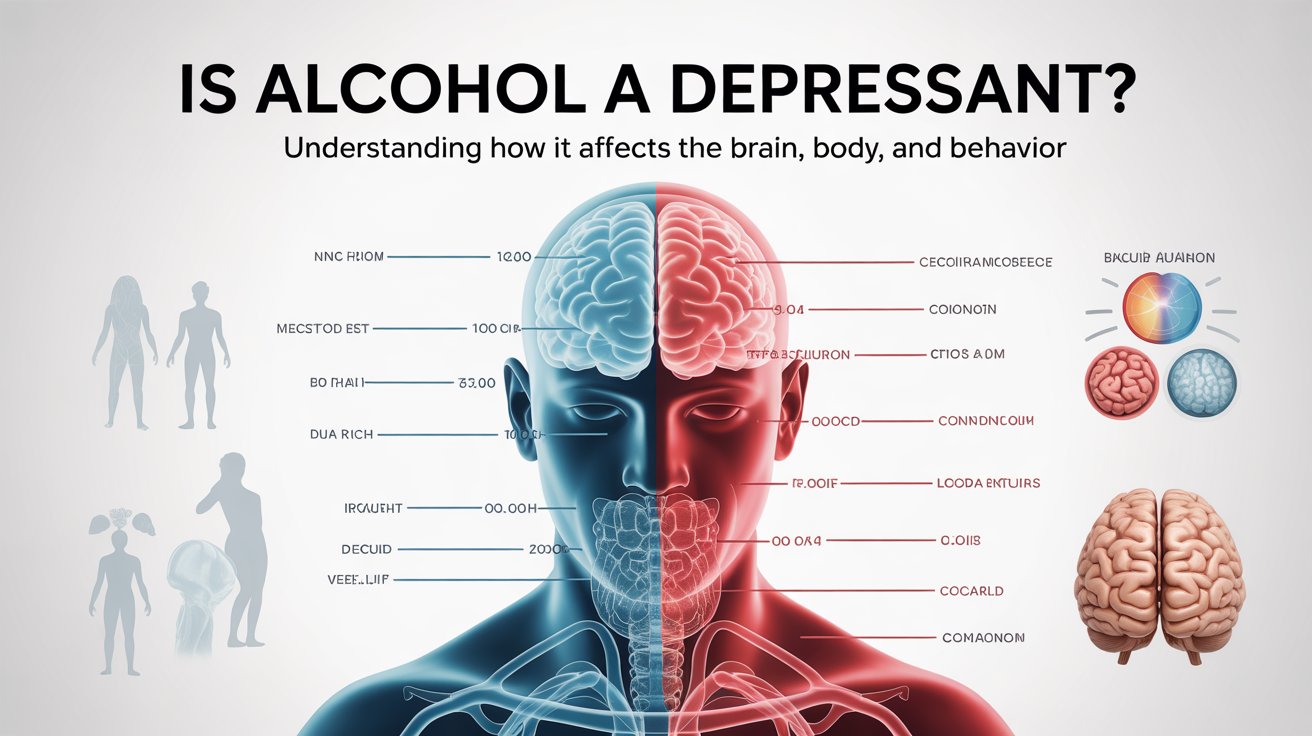
Alcohol influences several key regions of the brain responsible for judgment, coordination, emotion, and memory. The frontal lobe, which manages decision-making and impulse control, is one of the first areas affected, contributing to risk-taking behaviors and lowered inhibitions. As drinking continues, alcohol begins affecting the cerebellum, which is responsible for balance and coordination. This explains why excessive drinking can lead to stumbling, slurred speech, or difficulty walking. The hippocampus, which controls memory formation, is also impacted, sometimes resulting in blackouts or fragmented memories. Alcohol’s depressant effects slow the communication between these regions, making it more difficult for the brain to process information, regulate emotions, or form coherent thoughts. Over extended periods, heavy drinking can contribute to lasting changes in brain structure, cognitive functioning, and emotional stability.
Short-Term Depressant Effects of Alcohol
Short-term effects of alcohol emphasize its depressant nature and can begin even at low to moderate drinking levels. These effects include slower reaction times, impaired judgment, reduced coordination, difficulty concentrating, and delayed reflexes. As drinking progresses, individuals may experience drowsiness, lowered heart rate, and weakened physical control. In social settings, this can increase the risk of accidents, misunderstandings, or impulsive decisions that might not occur when sober. Alcohol’s impact on the nervous system also affects communication between neurons, which can interfere with the brain’s ability to process sensory information accurately. This is why alcohol impairs driving ability, physical performance, and decision-making. Although some effects may seem mild or manageable at first, they can escalate quickly as blood alcohol content rises.
Long-Term Mental and Physical Health Effects
Long-term drinking can produce more significant consequences that extend beyond the initial depressant effects. Chronic alcohol consumption can contribute to changes in brain chemistry, making it more difficult for the brain to regulate mood naturally. Over time, this can lead to a persistent reduction in emotional balance, increased irritability, and difficulties with stress management. Physically, long-term alcohol use may affect the liver, cardiovascular system, digestive tract, and immune function. Sleep patterns can become disrupted because alcohol interferes with restorative sleep cycles. On a mental health level, prolonged drinking may increase vulnerability to depressive symptoms, anxiety, and emotional instability due to the way alcohol interacts with neurotransmitters and stress hormones.
Alcohol and Its Relationship to Mental Health
Alcohol’s depressant effects can influence emotional well-being in complex ways. Because alcohol alters neurotransmitter activity, it can intensify feelings of sadness, anxiety, or fatigue, especially after its temporary effects wear off. People who rely on alcohol for relaxation, stress relief, or social comfort may experience a rebound effect, where mood becomes lower once alcohol leaves the system. Over time, this pattern can lead to emotional dependence and a cycle where drinking temporarily numbs difficult feelings only for them to return more strongly later. While not everyone who drinks will experience mental health challenges, understanding alcohol’s depressant nature provides insight into why it may contribute to emotional fluctuations and distress for some individuals.
Conclusion
Alcohol is undeniably classified as a depressant because of the way it slows down central nervous system activity, affects neurotransmitters, and influences brain function. Although its initial effects may feel stimulating, the long-term impact is rooted in sedation, reduced coordination, slowed reaction times, and changes in mood and behavior. Recognizing alcohol as a depressant helps clarify why it produces certain physical and emotional effects, how it influences decision-making, and why its impact on long-term health can be significant. Whether someone drinks occasionally or regularly, understanding alcohol’s true nature can empower more informed choices and greater awareness of its role in the body and mind.
⭐ Frequently Asked Questions (FAQ)
1. Is alcohol a depressant or a stimulant?
Alcohol is a depressant because it slows down the central nervous system, even though it may initially feel stimulating due to lowered inhibitions.
2. Why does alcohol make me feel energized at first?
The early feeling of energy comes from lowered social and emotional inhibitions, not actual stimulation of the brain.
3. How does alcohol affect the brain?
It reduces neural activity, slows reaction time, impairs judgment, affects memory, and influences emotional regulation.
4. Can alcohol affect mental health?
Alcohol can influence mood, increase emotional sensitivity, and contribute to anxiety or depressive feelings in some individuals.
5. Why is alcohol classified as a depressant?
Because it increases inhibitory neurotransmitter activity and slows down brain processes, leading to sedation and reduced responsiveness.