Holisticke: The Complete Guide to Holistic Living, Wellness, and Balance
In a world that often prioritizes speed, productivity, and convenience, the concept of Holisticke has emerged as a refreshing reminder of the importance of balance and well-being. Rooted in the idea of holistic living, Holisticke represents a lifestyle that nurtures the mind, body, and spirit in harmony. It encourages individuals to look beyond temporary fixes and instead focus on long-term wellness through natural, mindful, and sustainable practices. This article explores the meaning of Holisticke, its principles, benefits, and how it can transform daily life into a journey of health, peace, and fulfillment.
Understanding the Meaning of Holisticke
The term Holisticke is derived from the word “holistic,” which means considering the whole rather than just individual parts. In the context of wellness, Holisticke emphasizes the interconnectedness of physical health, mental clarity, emotional stability, and spiritual growth. It is based on the belief that true well-being cannot be achieved by focusing on one aspect of life alone. Instead, it requires a balanced approach that integrates nutrition, exercise, mindfulness, relationships, and purpose. Holisticke is not a trend—it is a philosophy that encourages conscious living and self-awareness in every decision made.
The Core Principles of Holisticke Living
At the heart of Holisticke living are several guiding principles that shape a balanced and fulfilling lifestyle. The first is mind-body connection, which recognizes that mental and emotional states directly influence physical health. The second is natural healing, which promotes the use of organic foods, herbal remedies, and sustainable practices to support the body’s natural ability to heal. The third is mindfulness, which involves being present and intentional in every action. Finally, balance is the foundation of Holisticke living—balancing work and rest, indulgence and discipline, solitude and connection. Together, these principles create a framework for a life rooted in harmony and authenticity.
The Role of Nutrition in Holisticke Wellness
Nutrition plays a vital role in the approach to wellness. Food is not just fuel—it is medicine, energy, and nourishment for the body and mind. A diet emphasizes whole, unprocessed foods that are rich in nutrients and free from artificial additives. This includes fresh fruits, vegetables, whole grains, nuts, seeds, and lean proteins. Hydration is equally important, as water supports every cellular function in the body. Beyond physical nourishment, mindful eating is a key component of nutrition. It encourages gratitude, awareness, and connection with the food consumed, transforming meals into moments of reflection and appreciation.
Holisticke and Mental Well-Being
Mental health is a cornerstone of living. The philosophy recognizes that emotional balance and mental clarity are essential for overall wellness. Practices such as meditation, journaling, and deep breathing help calm the mind and reduce stress. Spending time in nature, disconnecting from digital distractions, and engaging in creative activities also contribute to mental rejuvenation encourages individuals to cultivate self-compassion and emotional intelligence, allowing them to navigate life’s challenges with resilience and grace. By nurturing the mind, one creates a foundation for lasting peace and happiness.
The Spiritual Dimension of Holisticke
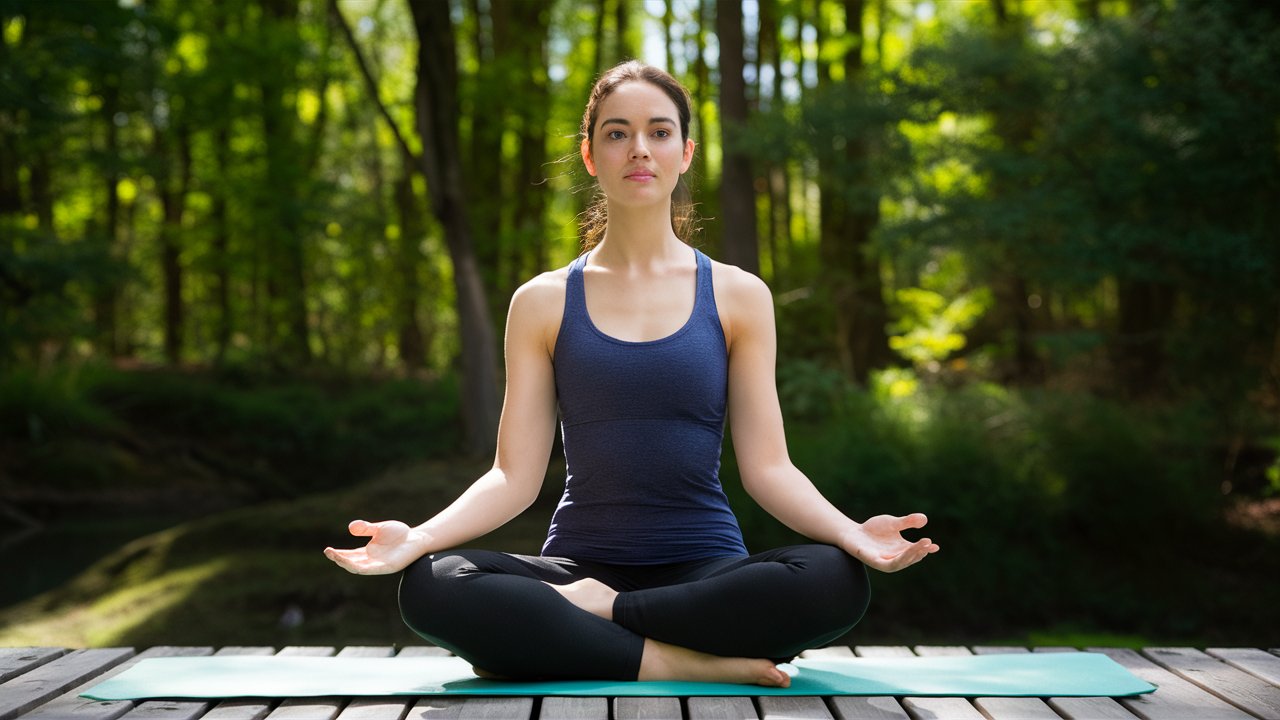
While Holisticke is not tied to any specific religion, it acknowledges the importance of spiritual growth as part of holistic well-being. Spirituality in this context refers to a sense of connection—to oneself, others, and the universe. It involves exploring purpose, values, and inner peace. Practices such as meditation, prayer, yoga, or simply spending quiet time in reflection can deepen this connection. The teaches that spiritual awareness enhances empathy, gratitude, and compassion, leading to a more meaningful and fulfilling life.
Holisticke and Physical Health
Physical health is one of the most visible aspects of but it is deeply intertwined with mental and emotional well-being. Regular movement, whether through yoga, walking, dancing, or strength training, keeps the body strong and flexible. Rest and recovery are equally important, as they allow the body to heal and regenerate fitness focuses on listening to the body’s needs rather than pushing it to extremes. It promotes consistency, enjoyment, and self-care over competition or perfection. This balanced approach ensures that physical activity becomes a source of joy and vitality rather than stress.
The Benefits of Adopting a Holisticke Lifestyle
Embracing a offers numerous benefits that extend beyond physical health. It enhances mental clarity, emotional stability, and spiritual fulfillment. Individuals who practice living often experience reduced stress, improved sleep, stronger immunity, and greater energy levels. On a deeper level, it fosters self-awareness, gratitude, and a sense of purpose. Relationships also improve as individuals become more empathetic and present. Ultimately, living leads to a more balanced, peaceful, and meaningful existence—one that aligns with nature, community, and personal values.
How to Begin a Holisticke Journey
Starting a Holisticke journey does not require drastic changes; it begins with small, intentional steps. Begin by assessing current habits and identifying areas that need balance. Incorporate more whole foods into meals, practice mindfulness daily, and prioritize rest. Create a morning or evening routine that includes meditation, journaling, or gratitude reflection. Limit exposure to negativity—whether through media, toxic relationships, or self-criticism—and replace it with positivity and self-care. Over time, these small actions accumulate, transforming not only health but also mindset and lifestyle. The key is consistency, patience, and self-compassion.
Conclusion
Holisticke is more than a wellness trend—it is a way of life that honors the connection between mind, body, and spirit. By embracing its principles, individuals can achieve balance, vitality, and inner peace in a world that often feels chaotic. The philosophy encourages mindfulness, natural living, and self-awareness, guiding people toward a more authentic and fulfilling existence. Whether through nutrition, movement, meditation, or community living empowers individuals to take control of their well-being and create harmony in every aspect of life.
Frequently Asked Questions
1. What does Holisticke mean?
Holisticke refers to a holistic approach to living that integrates physical, mental, emotional, and spiritual well-being into a balanced lifestyle.
2. How is Holisticke different from traditional wellness?
Unlike traditional wellness, which often focuses on physical health alone, emphasizes the interconnectedness of all aspects of life, including emotional and spiritual health.
3. What are the main principles of Holisticke living?
The main principles include balance, mindfulness, natural healing, and the mind-body connection, all aimed at achieving harmony and long-term wellness.
4. Can anyone practice Holisticke living?
Yes, Holisticke living is accessible to everyone. It can be adapted to individual lifestyles, preferences, and cultural backgrounds.
5. How does Holisticke improve mental health?
Holisticke promotes practices such as meditation, journaling, and mindfulness, which reduce stress, enhance focus, and improve emotional resilience.
6. What role does nutrition play in Holisticke wellness?
Nutrition is central to Holisticke living, emphasizing whole, natural foods that nourish the body and support overall health.
7. Is Holisticke connected to spirituality?
Yes, Holisticke includes a spiritual dimension that encourages self-reflection, gratitude, and a sense of connection with the universe or higher purpose.
8. How can I start living a Holisticke lifestyle?
Begin with small changes such as eating healthier, practicing mindfulness, exercising regularly, and prioritizing rest and self-care.
9. What are the benefits of Holisticke living?
Benefits include improved physical health, mental clarity, emotional balance, stronger relationships, and a deeper sense of purpose and peace.
10. Why is Holisticke important in modern life?
In a fast-paced world filled with stress and distractions, Holisticke offers a path to balance, self-awareness, and sustainable well-being that nurtures every aspect of human life.