Infector Virus: Understanding Its Types, Effects, and Prevention Methods
In the digital age, computer viruses have become one of the most persistent threats to data security and system performance. Among the many types of malicious software, the infector virus stands out as one of the most dangerous and widespread. This type of virus attaches itself to executable files or programs, spreading rapidly across systems and networks. Once activated, it can corrupt files, slow down performance, and even cause complete system failure. Understanding what an infector virus is, how it operates, and how to prevent it is essential for anyone who uses a computer or manages digital data. This article provides a comprehensive overview of infector viruses, their types, effects, and the best ways to protect against them.
What Is an Infector Virus?
An infector virus is a type of malicious software that attaches itself to executable files, such as .exe or .com files, and spreads when these infected programs are run. Unlike other forms of malware that may target specific areas of a system, infector viruses replicate by embedding their code into legitimate files, making them difficult to detect. Once the infected file is executed, the virus activates and begins to spread to other files or systems. Infector viruses can cause significant damage by corrupting data, altering system functions, and compromising security. They are often spread through removable drives, email attachments, or downloads from untrusted websites.
Types of Infector Viruses
Infector viruses can be categorized into several types based on how they attach to files and spread within a system. The three main types are file infectors, boot sector infectors, and macro infectors.
File infectors are the most common type, attaching themselves to executable files and spreading when these files are opened or shared. They can modify or delete important system files, leading to instability or data loss.
Boot sector infectors target the master boot record (MBR) of a hard drive or removable media. When the infected device is booted, the virus loads into memory and infects other drives connected to the system. These viruses are particularly dangerous because they can prevent the computer from starting properly.
Macro infectors exploit macros in applications like Microsoft Word or Excel. They spread through infected documents and can execute harmful commands when the document is opened. This type of infector virus is often distributed via email attachments or shared files.
Each type of infector virus poses unique risks, but all share the ability to replicate and spread rapidly, making early detection and prevention crucial.
How Infector Viruses Spread
Infector viruses spread primarily through human interaction and file sharing. When an infected file is executed, the virus activates and embeds itself into other files on the system. These infected files can then be transferred to other computers via USB drives, email attachments, or network connections. In some cases, infector viruses exploit vulnerabilities in software or operating systems to spread automatically without user intervention. The rise of the internet and cloud storage has made it easier for these viruses to propagate globally within minutes. Users who download software from unverified sources or fail to update their systems regularly are at higher risk of infection.
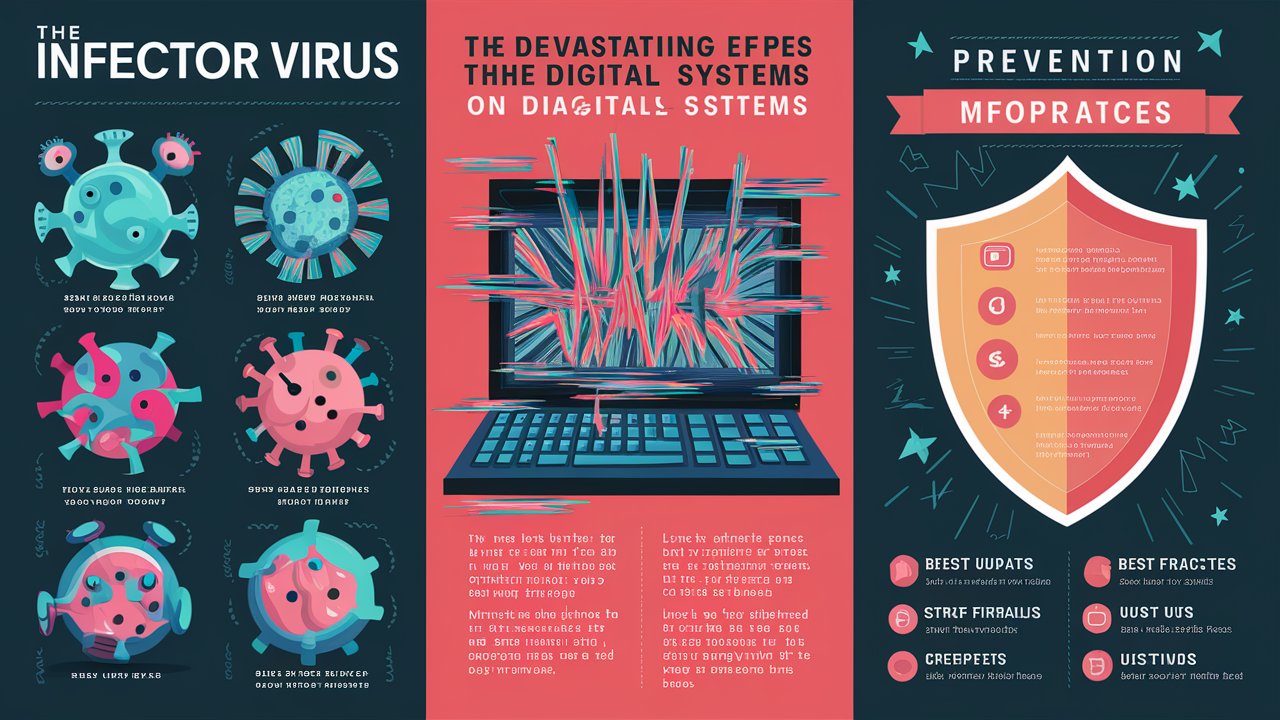
Effects of an Infector Virus on a Computer System
The impact of an infector virus can range from minor inconveniences to severe system damage. In the early stages, users may notice slower performance, frequent crashes, or unusual error messages. As the infection spreads, critical files may become corrupted or deleted, leading to data loss. Some infector viruses are designed to steal sensitive information, such as passwords or financial data, posing serious security risks. In extreme cases, the virus can render the operating system unusable, requiring a complete reinstallation. The longer an infector virus remains undetected, the more damage it can cause, making timely detection and removal essential.
How to Detect an Infector Virus
Detecting an infector virus can be challenging because it often disguises itself within legitimate files. However, there are several signs that may indicate an infection. Unusual system behavior, such as slow performance, missing files, or unexpected pop-ups, can be early warning signs. Running a reputable antivirus or anti-malware program is the most effective way to detect and remove infector viruses. These tools scan the system for known virus signatures and suspicious activity. Regular system monitoring and keeping antivirus definitions up to date are crucial for identifying new and evolving threats.
Prevention Methods for Infector Viruses
Preventing an infector virus infection requires a combination of good digital hygiene and reliable security tools. The first step is to install and regularly update a trusted antivirus program. This software can detect and block viruses before they cause harm. Avoid downloading files or software from unverified sources, as these are common carriers of malware. Always scan external drives and email attachments before opening them. Keeping the operating system and all applications updated ensures that security vulnerabilities are patched promptly. Additionally, backing up important data regularly can minimize the impact of an infection by allowing recovery without significant data loss. Practicing safe browsing habits and being cautious with online interactions are also key to preventing virus infections.
Removing an Infector Virus
If a system becomes infected, immediate action is necessary to prevent further damage. Start by disconnecting the computer from the internet to stop the virus from spreading. Run a full system scan using updated antivirus software to identify and remove infected files. In some cases, manual removal may be required, especially if the virus has deeply embedded itself in system files. Booting the computer in safe mode can help isolate the virus and make removal easier. After cleaning the system, it is important to update all software and change passwords to prevent reinfection. In severe cases where the virus has caused extensive damage, reinstalling the operating system may be the only solution.
Conclusion
The infector virus remains one of the most persistent and damaging forms of malware in the digital world. Its ability to attach to legitimate files and spread rapidly makes it a serious threat to both individuals and organizations. Understanding how infector viruses work, recognizing the signs of infection, and implementing strong preventive measures are essential for maintaining cybersecurity. With the right combination of awareness, technology, and caution, it is possible to protect systems from these malicious threats and ensure a safer digital environment.
FAQs
1. What is an infector virus?
An infector virus is a type of malware that attaches itself to executable files and spreads when those files are run, often causing damage to data and system performance.
2. How does an infector virus spread?
It spreads through infected files shared via USB drives, email attachments, or downloads from untrusted websites. It can also exploit software vulnerabilities to spread automatically.
3. What are the main types of infector viruses?
The main types include file infectors, boot sector infectors, and macro infectors, each targeting different parts of a computer system.
4. How can I detect an infector virus?
Use updated antivirus software to scan your system regularly. Signs of infection include slow performance, missing files, and frequent system crashes.
5. How can I prevent an infector virus infection?
Install reliable antivirus software, avoid downloading from unverified sources, keep your system updated, and back up important data regularly.
6. Can an infector virus steal personal information?
Yes, some infector viruses are designed to collect sensitive data such as passwords, financial details, or personal documents.
7. What should I do if my computer is infected?
Disconnect from the internet, run a full antivirus scan, remove infected files, and update all software. If necessary, reinstall the operating system.
8. Are infector viruses still common today?
Yes, infector viruses remain a common threat, especially as cybercriminals continue to develop more sophisticated variants.
9. Can antivirus software completely remove an infector virus?
In most cases, yes. However, some advanced viruses may require manual removal or professional assistance.
10. Why is it important to update antivirus software regularly?
Regular updates ensure that the antivirus program can detect and remove the latest virus strains, providing maximum protection against new threats.