The European Union Artificial Intelligence Act, commonly known as the eu ai act news, has become one of the most discussed topics in global technology and policy circles. As artificial intelligence continues to transform industries, governments are racing to establish frameworks that ensure innovation while protecting citizens’ rights. The eu ai act news represents the world’s first comprehensive legal framework for AI, setting a global precedent for how artificial intelligence should be developed, deployed, and governed.
1. EU AI Act Overview: A Global First in Artificial Intelligence Regulation
The EU AI Act is the first major legislative effort to regulate artificial intelligence comprehensively. It categorizes AI systems based on risk levels—unacceptable, high, limited, and minimal—and imposes specific obligations on developers and users depending on the category. The goal is to ensure that AI technologies are safe, transparent, and aligned with European values such as privacy, fairness, and accountability. Recent EU AI Act news highlights that the legislation is nearing full implementation, with member states preparing to enforce compliance across industries. This framework is expected to influence global AI governance, as other regions look to the EU model for guidance.
2. Key Provisions of the EU AI Act: Risk-Based Approach and Compliance Requirements
One of the most significant aspects of the EU AI Act is its risk-based approach. AI systems deemed to pose an “unacceptable risk,” such as those used for social scoring or mass surveillance, will be banned entirely. High-risk AI systems—such as those used in healthcare, law enforcement, or critical infrastructure—must meet strict requirements related to data quality, transparency, human oversight, and cybersecurity. Limited-risk systems must provide clear information to users, while minimal-risk systems face few restrictions. The latest EU AI Act news reveals that companies are already adapting their AI models to meet these compliance standards, investing in ethical AI design and robust documentation processes.
3. Impact on Businesses and Developers: Preparing for Compliance
The EU AI Act will have far-reaching implications for businesses and developers operating within or serving the European market. Organizations that use or develop AI systems must conduct risk assessments, maintain detailed technical documentation, and ensure human oversight in decision-making processes. Non-compliance could result in significant fines, similar to those under the General Data Protection Regulation (GDPR). Recent EU AI Act news indicates that many companies are establishing internal AI governance teams to oversee compliance and ethical standards. This shift is not only about avoiding penalties but also about building trust with consumers and stakeholders who demand responsible AI practices.
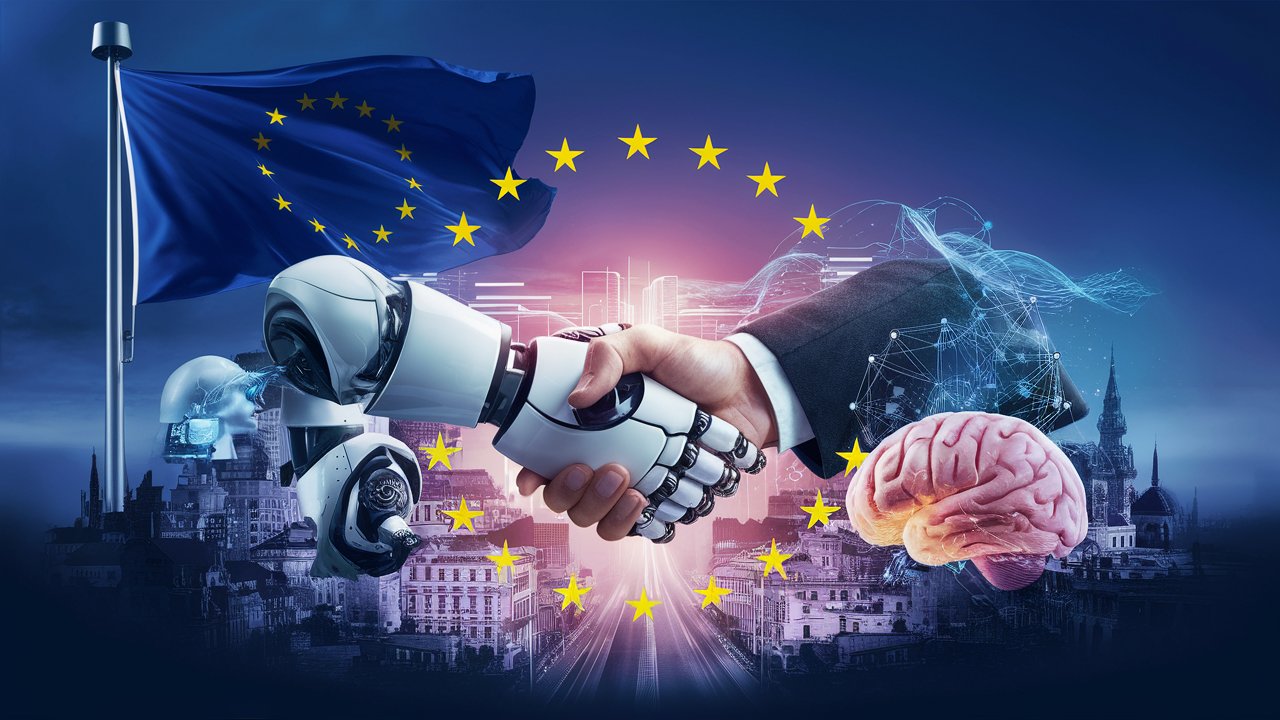
4. Global Influence of the EU AI Act: Setting the Standard for AI Governance
The EU AI Act is expected to set a global benchmark for AI regulation. Countries such as the United States, Canada, and Japan are closely monitoring its implementation to inform their own policy frameworks. The Act’s emphasis on transparency, accountability, and human rights aligns with growing international concerns about AI misuse and bias. In recent EU AI Act news, several multinational corporations have expressed support for the legislation, recognizing that harmonized standards can simplify compliance across markets. As AI becomes increasingly integrated into global supply chains, the EU’s leadership in regulation could shape the ethical and operational norms of the entire industry.
5. Ethical AI and Human Rights: The Core of the EU AI Act
At the heart of the EU AI Act lies a commitment to protecting human rights and promoting ethical AI development. The legislation seeks to prevent discrimination, ensure fairness, and safeguard privacy in AI applications. It also mandates transparency, requiring that users be informed when interacting with AI systems such as chatbots or automated decision-making tools. The latest EU AI Act news emphasizes that ethical considerations are no longer optional—they are legal obligations. This focus on ethics is expected to foster public trust in AI technologies and encourage innovation that aligns with societal values.
6. Challenges and Criticisms: Balancing Innovation and Regulation
Startups and smaller companies, in particular, may struggle with the cost and complexity of compliance. However, EU officials argue that clear rules will create a level playing field and promote sustainable innovation. Recent EU AI Act news suggests that the European Commission is working on guidance documents and support programs to help businesses adapt. The challenge lies in balancing the need for oversight with the flexibility required to foster technological progress.
7. The Future of AI Regulation: What Comes Next After the EU AI Act
The EU AI Act marks the beginning of a new era in technology governance. Future updates may address emerging technologies such as generative AI, deep fakes, and autonomous systems. The latest eu ai act news news indicates that the European Commission plans to establish an AI Office to oversee compliance and coordinate with national authorities. This institutional framework will ensure that the EU remains at the forefront of responsible AI development, setting the tone for future global regulations.
Conclusion
The eu ai act news represents a historic milestone in the regulation of artificial intelligence, balancing innovation with ethical responsibility. By introducing a risk-based framework, the European Union has taken a proactive approach to ensure that AI technologies serve humanity rather than harm it. The latest EU AI Act news underscores the importance of transparency, accountability, and human oversight in shaping the future of AI. As the world watches Europe’s bold experiment unfold, one thing is clear: the EU AI Act will define the global conversation on artificial intelligence for years to come.
FAQs
1. What is the EU AI Act?
The EU AI Act is the European Union’s comprehensive legal framework for regulating artificial intelligence. It categorizes AI systems by risk level and sets requirements to ensure safety, transparency, and ethical use.
2. When will the EU AI Act come into effect?
The EU AI Act is expected to be fully implemented in stages starting in 2025, with enforcement mechanisms and compliance requirements gradually introduced across member states.
3. How does the EU AI Act affect businesses?
Businesses developing or using AI systems in the EU must comply with strict transparency, documentation, and risk management requirements. Non-compliance can result in heavy fines and reputational damage.
4. Why is the EU AI Act important globally?
The EU AI Act sets a global precedent for AI regulation, influencing how other countries approach ethical and legal frameworks for artificial intelligence.
5. What are the main challenges of the EU AI Act?
Key challenges include balancing innovation with regulation, ensuring compliance for small businesses, and keeping pace with rapidly evolving AI technologies.
6. How does the EU AI Act promote ethical AI?
The Act enforces transparency, fairness, and accountability in AI systems, ensuring that human rights and societal values remain central to technological progress.