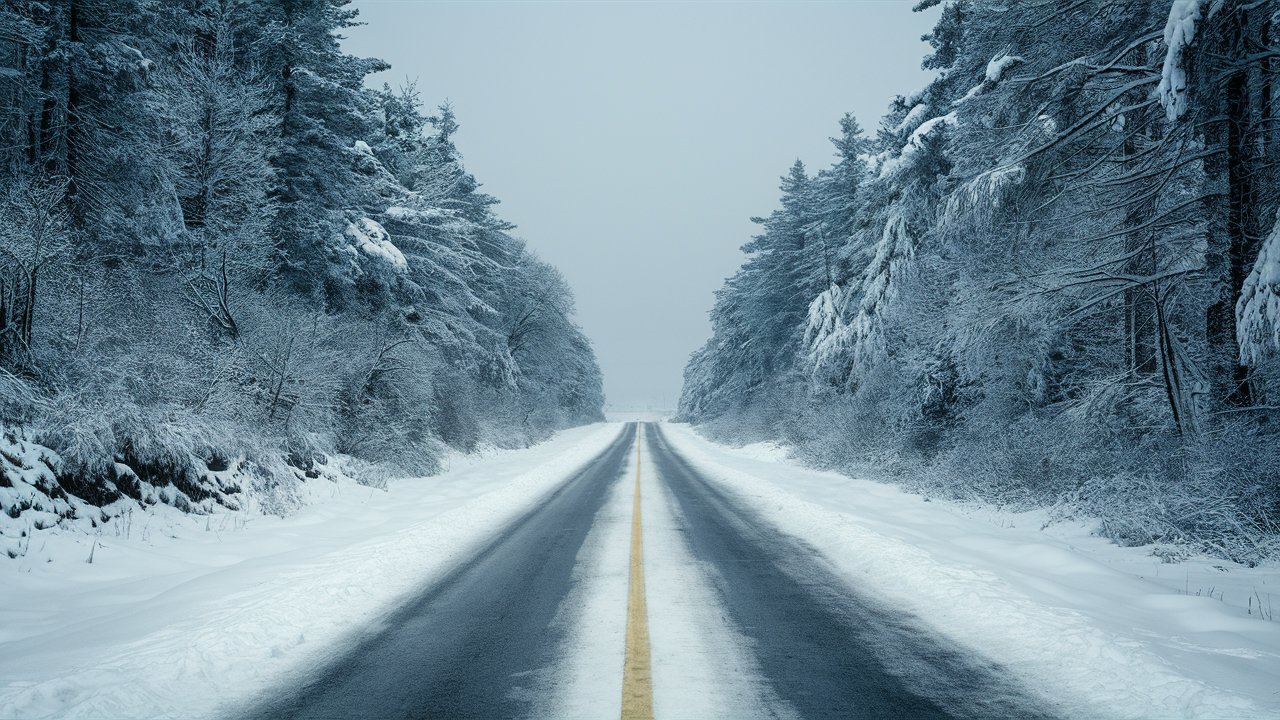
A snow road is more than just a path covered in snow; it is a symbol of adventure, endurance, and the breathtaking beauty of winter landscapes. These roads, often found in mountainous or northern regions, transform ordinary routes into mesmerizing white trails that attract travelers, photographers, and thrill-seekers alike. However, driving or traveling on a snow road requires preparation, awareness, and respect for nature’s unpredictable conditions. Understanding how snow roads form, how to navigate them safely, and what makes them so captivating can help travelers make the most of their winter journeys while staying safe and responsible.
What Is a Snow Road?
A snow road is a temporary or seasonal roadway created when snow and ice compact to form a solid surface capable of supporting vehicles. These roads are common in regions with heavy snowfall, such as Alaska, Canada, Scandinavia, and parts of Russia. In some areas, snow roads are essential for connecting remote communities during winter months when regular roads become impassable. They are also used for transporting goods, conducting winter expeditions, and accessing natural resources in isolated areas. The construction of a snow road involves compacting layers of snow and sometimes adding water to create a dense, icy surface that can bear heavy loads.
The Beauty of Snow Roads
Snow roads offer some of the most stunning winter scenery imaginable. The glistening white surfaces reflect sunlight, creating a magical glow that transforms forests, mountains, and valleys into dreamlike landscapes. Travelers often describe the experience of driving on a snow road as peaceful and surreal, with the quietness of snow absorbing sound and creating a sense of calm. Photographers and nature enthusiasts are drawn to these roads for their unique visual appeal, capturing the contrast between the pure white snow and the deep blue sky or the golden hues of a winter sunset. Snow roads also provide access to remote areas where wildlife can be observed in their natural winter habitats, making them a favorite among adventurers and explorers.
Challenges of Traveling on Snow Roads
Despite their beauty, snow roads present significant challenges. The surface can be slippery, visibility may be reduced due to snowstorms or fog, and temperatures can drop dangerously low. Drivers must be cautious of black ice, drifting snow, and sudden changes in weather conditions. Vehicles should be equipped with winter tires, chains, and emergency supplies such as blankets, food, and water. In remote areas, communication can be limited, so travelers should inform others of their route and expected arrival times. Snow roads also require regular maintenance, including plowing and compacting, to remain safe and functional. Understanding these challenges is essential for anyone planning to travel on a snow road, whether for work or leisure.
Safety Tips for Driving on Snow Roads
Safety is the top priority when navigating a snow road. Drivers should reduce speed, maintain a safe distance from other vehicles, and avoid sudden braking or sharp turns. Using headlights even during the day improves visibility, and keeping the windshield clear of snow and ice ensures better control. It is also important to check weather forecasts before departure and avoid traveling during severe snowstorms. Carrying a fully charged phone, extra fuel, and a first-aid kit can make a significant difference in emergencies. For long journeys, traveling in groups or convoys is recommended, as it provides additional safety and support in case of vehicle trouble or road closures.
Environmental Impact of Snow Roads
While snow roads are temporary and often melt away with the arrival of spring, they can still have environmental impacts. The construction and use of snow roads can disturb wildlife habitats and vegetation, especially if heavy machinery is involved. However, compared to permanent roads, snow roads are generally considered more environmentally friendly because they leave minimal long-term damage once the snow melts. Sustainable practices, such as minimizing fuel spills and avoiding sensitive ecological zones, can further reduce their environmental footprint. Governments and organizations that rely on snow roads for transportation often implement strict guidelines to ensure that these routes are used responsibly.
The Future of Snow Roads
As climate change continues to affect global weather patterns, the future of snow roads is uncertain. Warmer winters and unpredictable snowfall can shorten the lifespan of these roads or make them less reliable. In some regions, engineers are exploring new technologies to reinforce snow roads or create artificial ice surfaces that can withstand higher temperatures. The preservation of snow roads is not only important for transportation but also for cultural and recreational reasons, as they represent a unique aspect of winter life in cold regions. Continued research and innovation will be key to maintaining the safety and sustainability of snow road in the years to come.
Conclusion
Snow road embody the essence of winter adventure, combining natural beauty with human ingenuity. They connect remote communities, support industries, and offer unforgettable travel experiences through some of the world’s most stunning winter landscapes. However, they also demand respect, preparation, and awareness of the risks involved. By understanding how snow roads function, practicing safe driving habits, and appreciating their environmental significance, travelers can enjoy the magic of these icy pathways while preserving them for future generations.
Frequently Asked Questions
1. What is the difference between a snow road and an ice road?
A snow road is made primarily of compacted snow, while an ice road is built on frozen bodies of water such as lakes or rivers. Ice roads are generally stronger and can support heavier vehicles.
2. Are snow roads safe for regular cars?
Snow roads can be safe for regular cars if properly maintained and if the vehicle is equipped with winter tires. However, four-wheel-drive vehicles are recommended for better traction and control.
3. How are snow roads maintained?
Maintenance involves plowing, compacting, and sometimes adding water to strengthen the surface. Regular inspections ensure that the road remains safe for travel.
4. Can snow roads be used year-round?
No, snow roads are seasonal and typically exist only during the winter months when temperatures remain below freezing. Once the snow melts, the road disappears.
5. What should be carried when traveling on a snow road?
Essential items include winter tires, tire chains, blankets, food, water, a first-aid kit, a flashlight, and a fully charged phone. These supplies can be lifesaving in emergencies.
6. Why are snow roads important in remote areas?
Snow roads provide vital access to isolated communities, allowing the transport of goods, medical supplies, and essential services during winter when other routes are inaccessible.
7. How does climate change affect snow roads?
Rising temperatures and unpredictable snowfall patterns can reduce the reliability and duration of snow roads, making them harder to maintain and less safe for travel.
8. Are snow roads environmentally friendly?
Compared to permanent roads, snow roads have a smaller environmental impact because they disappear after winter. However, responsible use and maintenance are crucial to minimize ecological disruption.