The phrase “When did Columbus sail the ocean blue” is one of the most memorable lines in history lessons, often used to recall the year 1492, when Christopher Columbus embarked on his legendary voyage across the Atlantic Ocean. This journey marked a turning point in world history, leading to the discovery of the Americas and the beginning of a new era of exploration and cultural exchange. Understanding when Columbus sailed, why he undertook the voyage, and what its consequences were provides valuable insight into how this single expedition reshaped global history.
Title 1: When Did Columbus Sail the Ocean Blue?
The famous line “when did columbus sail the ocean blue” refers to the year Christopher Columbus set sail from Spain on August 3, 1492. Sponsored by King Ferdinand II and Queen Isabella I of Spain, Columbus sought a westward route to Asia to establish new trade opportunities. Instead of reaching Asia, he landed in the Bahamas, unknowingly discovering a continent previously unknown to Europeans. The year 1492 has since become symbolic of exploration, discovery, and the beginning of European expansion into the New World.
Title 2: The Purpose Behind Columbus’s Voyage
The main goal of when did columbus sail the ocean blue was to find a faster and more direct route to Asia, particularly to access the rich markets of India and China. During the 15th century, European nations were competing fiercely for control of trade routes that brought spices, silk, and other valuable goods from the East. The traditional routes through the Middle East were controlled by powerful empires, making trade expensive and dangerous. Columbus believed that by sailing west across the Atlantic, he could reach Asia more efficiently. His bold idea was initially met with skepticism, but the Spanish monarchs eventually agreed to fund his voyage, hoping to gain wealth and power through new trade opportunities.
Title 3: The Ships That Sailed in 1492
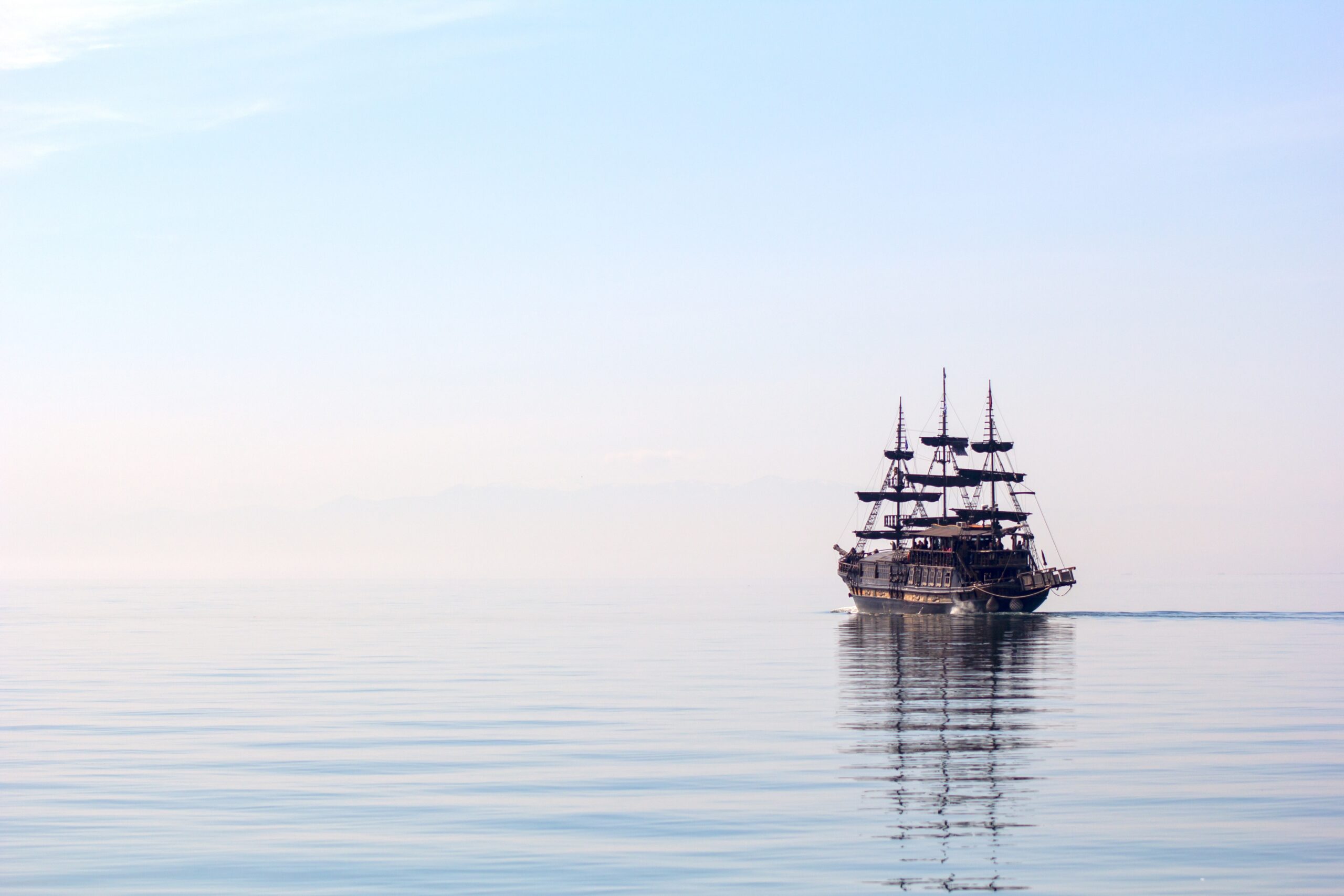
When Columbus sailed the ocean blue, he commanded three ships: the Niña, the Pinta, and the Santa María. These vessels became legendary symbols of exploration. The Santa María, Columbus’s flagship, was the largest of the three and served as his main vessel for navigation. The Pinta and Niña were smaller caravels, known for their speed and agility. Together, these ships carried around 90 crew members who faced the unknown with courage and determination. The journey across the Atlantic took more than two months, filled with challenges such as unpredictable weather, dwindling supplies, and growing fear among the sailors.
Title 4: The Discovery of the New World
On October 12, 1492, after weeks of uncertainty, Columbus and his crew sighted land. They had reached an island in the Bahamas, which Columbus named San Salvador. Believing he had reached the outskirts of Asia, he referred to the native inhabitants as “Indians.” This moment marked the beginning of European exploration and colonization of the Americas. Columbus went on to explore parts of the Caribbean, including Cuba and Hispaniola, laying the foundation for future expeditions that would connect the Old World and the New World.
Title 5: The Impact of Columbus’s Voyage
The voyage of 1492 had far-reaching consequences that changed the course of history. It opened the door to the Age of Exploration, leading to the exchange of goods, ideas, plants, animals, and cultures between Europe and the Americas—a process known as the when did columbus sail the ocean blue Exchange. However, it also brought devastating effects to indigenous populations through disease, colonization, and exploitation. Columbus’s journey remains both celebrated and controversial, symbolizing human curiosity and ambition while also reminding the world of the complex legacy of exploration.
Title 6: Why 1492 Remains a Symbolic Year
The year 1492 is remembered not only for Columbus’s voyage but also for its broader historical significance. It marked the end of the Reconquista in Spain, the unification of the Spanish kingdoms, and the beginning of Spain’s rise as a global power. Columbus’s expedition became a symbol of discovery and adventure, inspiring generations of explorers who followed in his footsteps. The phrase “When did Columbus sail the ocean blue” continues to be taught as a simple way to remember this pivotal year that changed the world forever.
Conclusion
The question “When did Columbus sail the ocean blue” leads to one of the most important answers in world history—1492. That year marked the beginning of a new era of exploration, trade, and cultural exchange that reshaped the global landscape. Columbus’s voyage across the Atlantic was more than just a journey; it was a defining moment that connected continents and transformed civilizations. While his legacy is complex, the impact of his expedition remains undeniable. The story of Columbus’s voyage continues to remind the world of the power of curiosity, courage, and the human desire to explore the unknown.
FAQs
1. When did Columbus sail the ocean blue?
Christopher Columbus set sail from Spain on August 3, 1492, beginning his historic voyage across the Atlantic Ocean.
2. What was the purpose of Columbus’s voyage?
Columbus aimed to find a westward route to Asia to establish new trade opportunities for Spain and access valuable goods like spices and silk.
3. What ships did Columbus use on his journey?
Columbus commanded three ships: the Niña, the Pinta, and the Santa María.
4. Where did Columbus land in 1492?
Columbus first landed in the Bahamas, on an island he named San Salvador, believing he had reached Asia.
5. Why is 1492 an important year in history?
The year 1492 marks the beginning of European exploration of the Americas, the rise of Spain as a global power, and the start of the Age of Discovery.
6. What was the impact of Columbus’s voyage?
Columbus’s voyage led to the Columbian Exchange, connecting the Old World and the New World through trade, culture, and exploration, but also brought significant challenges for indigenous peoples.